


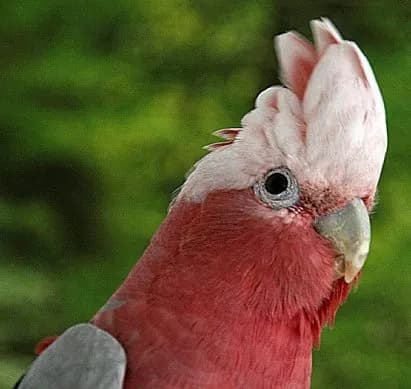
Cacatúa Galah
Distinctive pink-and-grey cockatoo. Medium-sized among cockatoos. More manageable than the large ones but just as demanding.
Foto: Wikipedia Commons · CC BY-SA
Ideal for
- ✓Families with time for daily interaction
- ✓Spacious flats (large birds require a room)
- ✓Anyone who accepts a decades-long commitment (parrots live a long time)
Reconsider if
- ×Homes with no time to socialise
- ×Anyone who cannot tolerate noise (all parrots vocalise)
- ×Flats with no space for flight
Notify me when a Cacatúa Galah is up for adoption
We'll only email you when a verified rescue posts one available. No spam, unsubscribe in 1 click.
We'll only use your email for this alert. More info in our privacy policy.
Is the Cacatúa Galah a good match for you?
Indicative rating from 1 (low) to 5 (high).
💶 Estimated cost of ownership
45-85 €/month
Food (low-fat pellets, vegetables and fruit) 20-32 €/month; recurring destruction toys; avian vet (check-up + blood work + weight control). A large cage as a high initial investment.
History and origin
A very common and adaptable Australian pink cockatoo; especially prone to lipomas and obesity from fatty diets in captivity.
Temperament and character
Intelligence varies by species. Parrots form strong bonds with their humans. They need daily mental stimulation · NOT just a cage.
Living together
Children: depends on species + individual character. **Other birds:** better in a pair/group (except territorial species). **Older pets:** avoid — a real risk of predation.
Life stages of the Cacatúa Galah
Each stage has its own care priorities. Life expectancy: 40-70 años.
Chick
0-4 months
Hand-rearing, weaning, growth
Juvenile
4 months-4 years
Socialisation, low-fat diet, flight
Adult
4-35 years
Lipomas and obesity (very prone), enrichment
Senior
35-70 years
Atherosclerosis, arthritis, hepatic monitoring
Care
Cage: at least twice the size of the bird with its wings spread. A dedicated room is better.
Feeding: SEEDS are NOT a complete diet. A combination of pellets + daily fresh fruit/vegetables.
Free flight: at least 1-2 hours/day out of the cage in a safe area.
Veterinary care: avian specialist vet (exotic vet). Annual blood work.
Care in detail
🍽️ Nutrition
Low-fat pellets with plenty of vegetables and greens; very little oilseed and moderate fruit given its strong tendency to gain weight. Cuttlebone for calcium.
✂️ Grooming
Produces feather dust: frequent baths or showers and good ventilation. The beak and nails are worn down with branches and toys.
🎓 Training
Clever and playful: responds very well to positive reinforcement. More manageable than the large cockatoos, but just as much in need of attention and enrichment.
🏃 Exercise
Several hours a day out of the cage with flight or climbing and plenty of foraging and destruction toys to channel its energy.
Breed-specific health
Aspergillosis (fungal), psittacosis (chlamydiosis), feather problems from stress/deficiencies. Life expectancy 40-70 years with proper care. Before adopting a large parrot, consider that you will live with it for the whole of your adult life.
🩺 Health predispositions of this breed
Conditions this breed is more predisposed to. Knowing about them helps with prevention and early detection. A predisposition does not mean the animal will develop them.
Common diseases in birds
Learn the symptoms, prevention and when to see the vet. Reviewed indicative information that does not replace a veterinary consultation.
Screening and prevention for the Cacatúa Galah
Recommended tests and screenings
- ✓Sexing by DNA or iris colour (dark in the male, reddish in the adult female)
- ✓PCR for PBFD (circovirus)
- ✓PCR for Chlamydia psittaci and polyomavirus
- ✓Complete blood count, biochemistry and crop cytology
- ✓Weight control and lipid profile (predisposition to lipomas)
- ✓CITES II documentation and legal registration
Prevention
A low-fat pellet diet with vegetables (galahs put on weight easily and form lipomas), plenty of enrichment, quarantine and clean air.
Check-up schedule
Annual review with an avian vet, with weight control and blood work; monitoring for lipomas.
Warning signs
- !Fatty lumps under the wing or on the chest (lipomas)
- !Feather plucking
- !Screaming from boredom or stress
- !Ruffled plumage, apathy and altered droppings
Cacatúa Galah gallery

Frequently asked questions about the Cacatúa Galah
How long does a Cacatúa Galah live?
▾
How much does a Cacatúa Galah weigh?
▾
Where does the Cacatúa Galah breed come from?
▾
How much exercise does a Cacatúa Galah need?
▾
Is the Cacatúa Galah good with children?
▾
Who is the Cacatúa Galah NOT recommended for?
▾
What health problems does the Cacatúa Galah have?
▾
Is the Galah Cockatoo easier than the large ones?
▾
Why does it put on so much weight?
▾
Does it need paperwork?
▾
How long does it live?
▾
Learn more about birds
Practical veterinary guides to support your Cacatúa Galah.
Sources and references
Content compiled from official breed standards and leading veterinary sources.
- WikipediaEolophus roseicapilla ↗
- World Parrot TrustGalah - Parrot Encyclopedia ↗
Want to adopt a cacatúa galah?
There are cacatúa galahs in rescue shelters looking for a family. Filter by breed in the catalogue.