

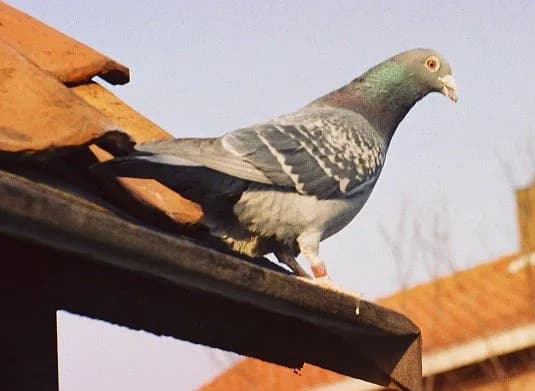
Paloma Mensajera
A variety selected for homing ability and speed. Flight record of 1,800 km. Used in wars and in the sport of pigeon racing.
Foto: Wikipedia Commons · CC BY-SA
Ideal for
- ✓Families with time for daily interaction
- ✓Spacious homes (large birds require a room)
- ✓Those who accept a decades-long commitment (parrots live a long time)
Reconsider if
- ×Homes without time to socialise
- ×Those who cannot tolerate noise (all parrots vocalise)
- ×Homes without space for flight
Notify me when a Paloma Mensajera is up for adoption
We'll only email you when a verified rescue posts one available. No spam, unsubscribe in 1 click.
We'll only use your email for this alert. More info in our privacy policy.
Is the Paloma Mensajera a good match for you?
Indicative rating from 1 (low) to 5 (high).
💶 Estimated cost of ownership
15-30 €/month
Sports grain mix, grit and supplements (electrolytes, vitamins) 7-15 €; vaccines, dewormers and health products 4-9 €; a share of vet and federation/race costs 4-8 €. Manageable per bird, but the loft and the equipment are the initial investment.
History and origin
A thousand-year selection of the rock dove for its instinct to return to the loft; used as a messenger since Antiquity and in both World Wars.
Temperament and character
Intelligence varies by species. Parrots form strong bonds with their humans. They need daily mental stimulation · NOT just a cage.
Living together
Children: depends on species + individual temperament. **Other birds:** best kept in a pair/group (except territorial species). **Larger pets:** avoid — a real risk of predation.
Life stages of the Paloma Mensajera
Each stage has its own care priorities. Life expectancy: 10-15 años.
Squab
0-1 month
Crop milk; identification ringing in the first few days.
Juvenile
1-6 months
Homing and progressive flight training; pectoral musculature.
Adult
6 months-8 years
Homing competition; energy-rich diet, hydration and canker prevention.
Senior
9-15 years
Retirement from sport to breeding; monitor joints and respiratory system.
Care
Cage: at least twice the size of the bird with its wings outstretched. A dedicated room is better.
Feeding: SEEDS are NOT a complete diet. A combination of pellets + fresh fruit/vegetables daily.
Free flight: at least 1-2 hours/day outside the cage in a safe area.
Vet: avian specialist vet (exotic vet). Annual check-up.
Care in detail
🍽️ Nutrition
An energy-rich, high-protein grain mix suited to exertion (legumes, maize, cereals) with grit, vitamins, electrolytes and amino acids during the flying season. Careful hydration and mould-free grain.
✂️ Grooming
Frequent baths for the plumage, essential for flight. A clean, dry loft; rigorous control of internal and external parasites.
🎓 Training
An athlete of the skies: trained with progressive releases from increasing distances to develop its homing instinct. Handling combines ringing/identification, a flight plan, sports nutrition and a strict health calendar.
🏃 Exercise
Very high exercise needs: daily flight and training. It is a bird selected to cover hundreds of kilometres and requires regular releases to stay in shape.
Breed-specific health
Aspergillosis (fungal), psittacosis (chlamydiosis), feather problems from stress/deficiencies. Life expectancy 10-15 years with proper care. Before adopting a large parrot, consider that you will share your whole adult life with it.
🩺 Health predispositions of this breed
Conditions this breed is more predisposed to. Knowing about them helps with prevention and early detection. A predisposition does not mean the animal will develop them.
Common diseases in birds
Learn the symptoms, prevention and when to see the vet. Reviewed indicative information that does not replace a veterinary consultation.
Screening and prevention for the Paloma Mensajera
Recommended tests and screenings
- ✓Vaccination against paramyxovirus (PMV-1), mandatory for competing in pigeon racing
- ✓Vaccination against avian pox
- ✓Trichomonas examination (crop swab)
- ✓Faecal test (coccidia and worms)
- ✓Examination of the airways (ornithosis/mycoplasma) and flight musculature
Prevention
A strict health calendar for the athlete: annual paramyxovirus vaccination (mandatory in federated pigeon racing) and pox, internal/external deworming and trichomonas and respiratory checks before the season. A clean, dry, well-ventilated loft; quarantine after races.
Check-up schedule
Annual check-up and pre-season checks with an avian/pigeon-racing vet.
Warning signs
- !Poor performance or unusual tiredness in flight
- !Yellowish plaques in the mouth (trichomoniasis)
- !Noisy breathing or sneezing (airways)
- !Diarrhoea or greenish droppings
- !Twisting of the neck/tremors (paramyxovirus)
Paloma Mensajera gallery

Frequently asked questions about the Paloma Mensajera
How long does a Paloma Mensajera live?
▾
How much does a Paloma Mensajera weigh?
▾
Where does the Paloma Mensajera breed come from?
▾
How much exercise does a Paloma Mensajera need?
▾
Is the Paloma Mensajera good with children?
▾
Who is the Paloma Mensajera NOT recommended for?
▾
What health problems does the Paloma Mensajera have?
▾
How does it find its way home?
▾
Does it have to be vaccinated to compete?
▾
How much exercise does it need?
▾
Can it be kept without competing?
▾
Is it delicate in health?
▾
Learn more about birds
Practical veterinary guides to support your Paloma Mensajera.
Sources and references
Content compiled from official breed standards and leading veterinary sources.
- WikipediaHoming pigeon ↗
- WikipediaDomestic pigeon (Columba livia domestica) ↗
Want to adopt a paloma mensajera?
There are paloma mensajeras in rescue shelters looking for a family. Filter by breed in the catalogue.