


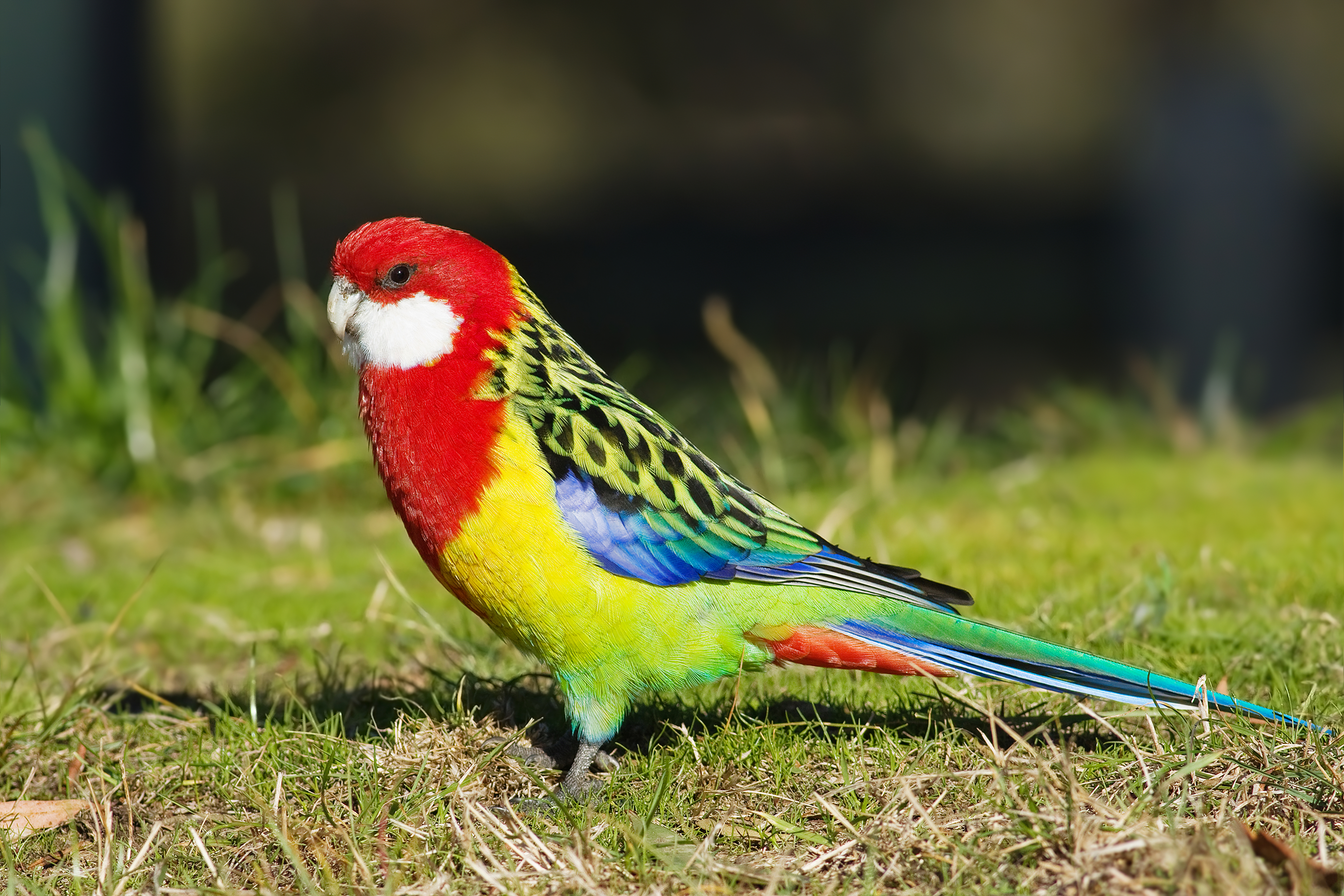
Rosella Oriental
Spectacular colours. Less sociable character, better in an aviary than in the hand.
Foto: Wikipedia Commons · CC BY-SA
Ideal for
- ✓Families with time for daily interaction
- ✓Spacious homes (large birds require a room)
- ✓Anyone who accepts a decades-long commitment (parrots live a long time)
Reconsider if
- ×Homes without time to socialise
- ×Anyone who cannot tolerate noise (all parrots vocalise)
- ×Homes without space for flight
Notify me when a Rosella Oriental is up for adoption
We'll only email you when a verified rescue posts one available. No spam, unsubscribe in 1 click.
We'll only use your email for this alert. More info in our privacy policy.
Is the Rosella Oriental a good match for you?
Indicative rating from 1 (low) to 5 (high).
💶 Estimated cost of ownership
30-55 €/month
Seed mix, pellets, vegetables and fruit (15-25 €), deworming and prevention spread out (10-18 €) and enrichment (5-12 €). Separately: an annual review with an avian vet (45-80 €) and a significant investment in a large aviary (200-600 €).
History and origin
Originally from Australia. Spectacular colours.
Temperament and character
Intelligence varies by species. Parrots form strong bonds with their humans. They need daily mental stimulation · NOT just a cage.
Living together
Children: depends on the species + individual character. **Other birds:** better in a pair/group (except for territorial species). **Older pets:** avoid — a real risk of predation.
Life stages of the Rosella Oriental
Each stage has its own care priorities. Life expectancy: 15-25 años.
Chick
0-3 months
Hand-feeding formula and warmth; development of the mottled plumage and red head
Juvenile
3-12 months
Weaning; a flight-aviary species, poorly suited to the hand, juvenile moult
Adult
1-12 years
A large flight aviary, a varied diet and parasite control from contact with the floor
Senior
12-25 years
Monitoring of parasites, weight and periodic reviews
Care
Cage: at least twice the size of the bird with its wings outstretched. A dedicated room is better.
Feeding: SEEDS are NOT a complete diet. A combination of pellets + fresh fruit/vegetables daily.
Free flight: at least 1-2 hours a day out of the cage in a safe area.
Veterinary care: avian specialist vet (exotics vet). Annual work-up.
Care in detail
🍽️ Nutrition
A quality seed mix supplemented with pellets, leafy greens, fruit and a supply of sprouts; water always clean. Avoid a monotonous seed-only diet.
✂️ Grooming
Baths or misting, which it enjoys. Prioritise space: it is a strong-flying bird that needs to fly more than to be handled.
🎓 Training
Less sociable and tame than a companion parrot: it tolerates little handling and is happier observed than in the hand. It is not ideal for taming.
🏃 Exercise
High energy and a great need to fly: it requires a very large aviary or cage, preferably outdoors, where it can exercise daily.
Breed-specific health
Aspergillosis (fungal), psittacosis (chlamydiosis), feather problems from stress/deficiencies. Life expectancy 15-25 years with proper care. Before adopting a large parrot, consider that you will live with it throughout your adult life.
🩺 Health predispositions of this breed
Conditions this breed is more predisposed to. Knowing about them helps with prevention and early detection. A predisposition does not mean the animal will develop them.
Common diseases in birds
Learn the symptoms, prevention and when to see the vet. Reviewed indicative information that does not replace a veterinary consultation.
Screening and prevention for the Rosella Oriental
Recommended tests and screenings
- ✓Faecal test and periodic deworming (nematodes/coccidia, common in rosellas)
- ✓Screening for psittacosis/chlamydiosis (PCR)
- ✓Testing for PBFD (psittacine beak and feather disease) and polyomavirus
- ✓Screening for aspergillosis in the event of respiratory symptoms
Prevention
Housing in a large aviary with strict floor hygiene (very susceptible to intestinal parasites), scheduled deworming, a varied quality diet and reviews with an avian vet.
Check-up schedule
A review with an avian vet on acquisition, periodic faecal tests and an annual review.
Warning signs
- !Diarrhoea, weight loss or ruffled feathers (parasitosis)
- !Lethargy or breathing difficulty
- !Dystrophic plumage or beak lesions (PBFD)
- !Abnormal droppings or traces of worms
Rosella Oriental gallery
Frequently asked questions about the Rosella Oriental
How long does a Rosella Oriental live?
▾
How much does a Rosella Oriental weigh?
▾
Where does the Rosella Oriental breed come from?
▾
How much exercise does a Rosella Oriental need?
▾
Is the Rosella Oriental good with children?
▾
Who is the Rosella Oriental NOT recommended for?
▾
What health problems does the Rosella Oriental have?
▾
Is it a good bird to keep in the hand?
▾
Why is it dewormed so often?
▾
Does it need a lot of space?
▾
Does it get along well with other birds?
▾
Is it noisy?
▾
Learn more about birds
Practical veterinary guides to support your Rosella Oriental.
Sources and references
Content compiled from official breed standards and leading veterinary sources.
- WikipediaPlatycercus eximius (Eastern Rosella) ↗
- World Parrot TrustEastern Rosella ↗
Want to adopt a rosella oriental?
There are rosella orientals in rescue shelters looking for a family. Filter by breed in the catalogue.