


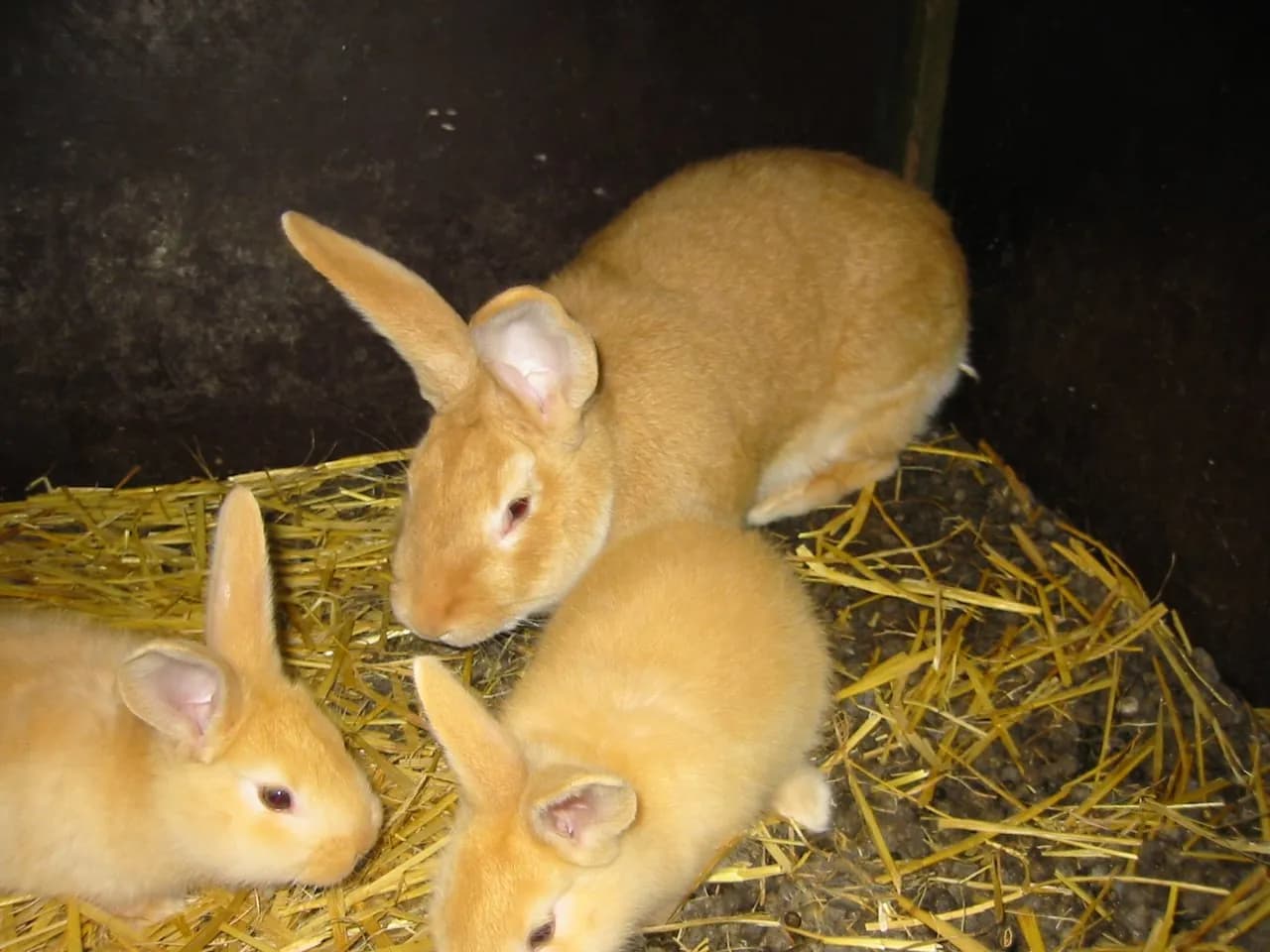
Canela (Cinnamon)
A unique cinnamon-coloured coat. A calm temperament.
Foto: Wikipedia Commons · CC BY-SA
Mizuu editorial teamupdated on October 14, 2026Not yet reviewed by a vet. Are you a vet? Review itReport an error
Ideal for
- Families with time for daily care
- Homes with space for a free-roaming area
- Those seeking a quiet pet
Reconsider if
- ×Homes with loose hunting dogs
- ×Rough young children (rabbits are easily frightened)
- ×Life 100% in a cage (cruel · they need 4 h/day loose)
Let me know when there are rabbits for adoption
We only write when a verified shelter posts one. One email a day at most.
Is the Canela (Cinnamon) a good match for you?
Indicative rating from 1 (low) to 5 (high).
Estimated cost of ownership
30-55 €/month
A medium-to-large rabbit: eats plenty of hay and vegetables (20-35 €) and uses more bedding. Provision for an exotics vet with the annual myxo+RHD vaccine prorated (10-18 €). Neutering and initial equipment (a large pen, litter tray, carrier) are not a monthly expense.
History and origin
Recognised by ARBA. Originating in the United States. A unique cinnamon-coloured coat.
Temperament and character
Shy by nature (a prey animal). Gains confidence with patience. Sociable with other neutered rabbits. NOT a solitary animal — a pair is always better.
Living together
Children: with respectful ones from age 8 (no rough handling). **Other rabbits:** yes (neutered, gradual introduction). **Dogs:** avoid hunting dogs. **Cats:** possible, supervise.
Life stages of the Canela (Cinnamon)
Each stage has its own care priorities. Life expectancy: 5-9 años.
Kit
0-4 months
Mother's milk and a gradual transition to hay and junior pellets; avoid diarrhoea
Junior
4-8 months
Grass hay ad lib, gradually introduce fresh vegetables; watch the teeth
Adult
8 months-5 years
Unlimited hay as the base, a measured ration of pellets and vegetables; dental and weight control
Senior
5-6 years onwards
Adjust the diet if there is dental wear or weight loss; regular vet check-ups and a comfortable floor
Care
Space: at least 4 h/day out of the cage in a safe area. Cage = rest/night-time only.
Feeding: 80% quality hay (Timothy/Italian Ryegrass), 15% fresh vegetables, 5% quality pellets (limit these).
Brushing: 2-3 times/week (daily during moults + long-haired breeds).
Vet: an exotics vet (NOT a regular vet — different anatomy/pharmacology). Annual myxomatosis + RHD vaccine. Neutering at 4-6 months (prevents uterine cancer in 80%+ of intact females).
Care in detail
Nutrition
A strict fibre herbivore: 80% of the diet should be grass hay freely available (Timothy, ryegrass, fescue), which provides the dental wear and the fibre that keeps the gut moving. 10-15% of varied leafy vegetables a day (lamb's lettuce, escarole, carrot tops, basil, coriander, endive) and only 5% specific high-fibre rabbit pellets (limited to one tablespoon a day in adults). Fresh water always, preferably in a bowl. No cereal/seed mixes, bread, biscuits or excess fruit (sugar and obesity). For kits and pregnant does, alfalfa hay is used for its calcium and protein.
Grooming
A short-to-normal coat: a weekly brushing is enough, increasing to 2-3 times a week during seasonal moults to remove dead hair and reduce the risk of trichobezoar (hairballs). They are never bathed by immersion (it causes dangerous stress); if they get dirty, use localised dry cleaning. Check and clean the perineal area, trim the nails every 4-6 weeks and check the teeth.
Training
"Handling", not training in the usual sense. It is a prey animal: ALWAYS pick it up supporting the hindquarters firmly against the body (a kick can fracture its spine) and never by the ears. Getting it gradually used to handling with vegetable treats improves check-ups. It quickly learns to use the litter tray next to its eating area, and responds to the voice and to routine. Much happier at floor level than in your arms or up high. A large, calm rabbit, docile to handle with patience.
Exercise
Needs a minimum of 3-4 hours daily loose in a safe, "rabbit-proofed" area (protected cables, no toxic plants); the cage is only the bedroom, not the home. Daily exercise prevents obesity, pododermatitis and digestive problems, and lets it jump, run and dig. Tunnels, platforms and chew toys keep body and mind active.
Breed-specific health
Common conditions in rabbits: GI stasis (digestive shutdown · EMERGENCY), dental malocclusion (check every 6 months), encephalitozoonosis. Lifespan 5-9 years with proper care.
Health predispositions for this breed
Conditions this breed is more predisposed to. Knowing about them helps with prevention and early detection. A predisposition does not mean the animal will develop them.
Common diseases in rabbits
Learn the symptoms, prevention and when to see the vet. Indicative information that does not replace a veterinary consultation.
Screening and prevention for the Canela (Cinnamon)
Recommended tests and screenings
- Full dental examination of incisors and molars (with otoscope/endoscopy) every 6-12 months to detect malocclusion and spurs
- Serology/PCR for Encephalitozoon cuniculi if neurological signs (head tilt, paresis) or renal signs appear
- Annual faecal test to rule out coccidia, pinworms and caecal dysbiosis
- Cardiorespiratory auscultation and abdominal palpation at every visit to detect gastrointestinal stasis early
Prevention
Annual vaccination against myxomatosis and viral haemorrhagic disease (RHD/RHDV2), which are endemic and fatal in Spain. Grass hay available ad libitum (the fibre prevents digestive stasis and wears down the continuously growing teeth). Neutering/spaying at 4-6 months (prevents uterine cancer, which affects up to 80% of mature unspayed females, and reduces marking and aggression). Clean, dry housing with a non-wire floor to prevent pododermatitis, and a temperature below 28 °C with shade and ventilation to avoid heatstroke. Internal/external parasite control according to risk and regular dental checks.
Check-up schedule
General check-up with an exotics vet once a year, including the annual myxo+RHD vaccine; from age 5-6 it is advisable to move to six-monthly checks. Regular weighing at home and dental monitoring, since many problems (stasis, malocclusion) progress quickly and silently.
Warning signs
- !Stopping eating or passing droppings for more than 12 hours (gastrointestinal stasis — life-threatening EMERGENCY)
- !Drooling, a wet chin, watery eyes or dropping food (dental malocclusion or abscess)
- !Head tilt, spinning in circles or loss of balance (E. cuniculi or inner-ear infection)
- !Diarrhoea, soft droppings stuck to the perineum, absence of caecotrophs or a bloated, silent abdomen
Canela (Cinnamon) gallery
Frequently asked questions about the Canela (Cinnamon)
How long does a Canela (Cinnamon) live?
▾
How much does a Canela (Cinnamon) weigh?
▾
Where does the Canela (Cinnamon) breed come from?
▾
How much exercise does a Canela (Cinnamon) need?
▾
Is the Canela (Cinnamon) good with children?
▾
Who is the Canela (Cinnamon) NOT recommended for?
▾
What health problems does the Canela (Cinnamon) have?
▾
Is keeping it in a cage enough?
▾
Can it live alone or does it need company?
▾
What do I do if it stops eating or pooing?
▾
Does it need vaccines?
▾
Why do you insist so much on hay and teeth?
▾
Learn more about rabbits
Practical veterinary guides to support your Canela (Cinnamon).
Sources and references
Content compiled from official breed standards and leading veterinary sources.
- WikipediaDomestic rabbit (Wikipedia ES) ↗
- American Rabbit Breeders AssociationARBA ↗
Do you have a Canela (Cinnamon)?
Add them to Mizuu and we will remind you what is due for their breed and age: Full dental examination of incisors and molars (with otoscope/endoscopy) every 6-12 months to detect malocclusion and spurs, check-ups and vaccines.
Add my Canela (Cinnamon)Free. Create your account in a minute and come back here.
Want to adopt a canela (cinnamon)?
There are canela (cinnamon)s in Spanish rescue shelters looking for a family. Filter by breed in the catalogue.

