


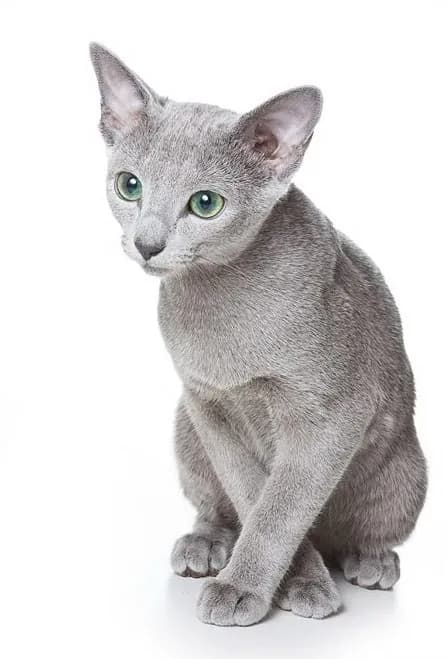
Azul Ruso
Dense blue-silver coat. Emerald-green eyes. Reserved but loyal to one family. Relatively hypoallergenic.
Foto: Wikipedia Commons · CC BY-SA
Mizuu editorial teamupdated on October 14, 2026Not yet reviewed by a vet. Are you a vet? Review itReport an error
Ideal for
- Families with time to pet them
- Flats
- Anyone looking for a sociable cat
Reconsider if
- ×Homes where it would be alone for many hours
Let me know when there are cats for adoption
We only write when a verified shelter posts one. One email a day at most.
Is the Azul Ruso a good match for you?
Indicative rating from 1 (low) to 5 (high).
Estimated cost of ownership
30-50 €/month
Food: 15-24 € · Hygiene and litter: 8-14 € · Veterinary care and prevention: 10-18 €
History and origin
A natural breed with a blue-grey coat and green eyes, associated with the port of Arkhangelsk (Russia). It is one of the healthiest and longest-lived breeds, with very few hereditary diseases; its main health risk is obesity due to its large appetite.
Temperament and character
Character typical of its breed. Sociable or reserved depending on the individual. Early neutering (4-6 months) is the best preventive measure.
Living together
Children: good with respectful ones. **Other cats:** sociable if living together from a young age. **Dogs:** possible if calm.
Life stages of the Azul Ruso
Each stage has its own care priorities. Life expectancy: 15-20 años.
Kitten
0-6 months
Patient socialisation (reserved breed), vaccination, deworming and growth diet.
Junior
6 months-2 years
Neutering, dental health, portion control due to its tendency to overeat.
Adult
2-10 years
Strict weight/diet control, dental health and annual check-ups.
Senior
11+ years
Renal and thyroid screening, weight control and geriatric diet.
Care
Brushing: according to coat (short = weekly · semi-long = 2-3 times · long = daily).
Litter tray: One litter tray per cat plus one extra (N+1 rule), in quiet spots away from food.
Feeding: quality wet + dry food.
Veterinary care: annual check-up + blood work from the age of 7.
Care in detail
Nutrition
Quality kibble combined with wet food and portion control: it tends towards obesity if fed free-choice.
Grooming
Short, dense, low-maintenance coat: weekly brushing is enough. Sheds little.
Training
A reserved but loyal and intelligent cat; focus on early socialisation and enrichment. It needs a stable routine and bonds with its family.
Exercise
Medium energy: it enjoys interactive play and elevated structures; it should be stimulated to avoid a sedentary lifestyle.
Breed-specific health
Health tests recommended for this breed: Echocardiography for hypertrophic cardiomyopathy (HCM); Blood work/renal ultrasound (PKD); Urinalysis (urinary stones); Weight monitoring (tendency to obesity). Life expectancy 15-20 years.
Health predispositions for this breed
Conditions this breed is more predisposed to. Knowing about them helps with prevention and early detection. A predisposition does not mean the animal will develop them.
Common diseases in cats
Learn the symptoms, prevention and when to see the vet. Indicative information that does not replace a veterinary consultation.
Screening and prevention for the Azul Ruso
Recommended tests and screenings
- Echocardiography for hypertrophic cardiomyopathy (HCM)
- Blood work/renal ultrasound (PKD)
- Urinalysis (urinary stones)
- Weight monitoring (tendency to obesity)
Prevention
Weight control due to its tendency to put on weight, water always available, cardiac screening and early neutering (4-6 months).
Check-up schedule
Annual check-up; from the age of 7, preventive blood work.
Warning signs
- !Rapid breathing or lethargy (heart disease)
- !Difficulty or blood when urinating
- !Increased thirst and urination
- !Excessive weight gain
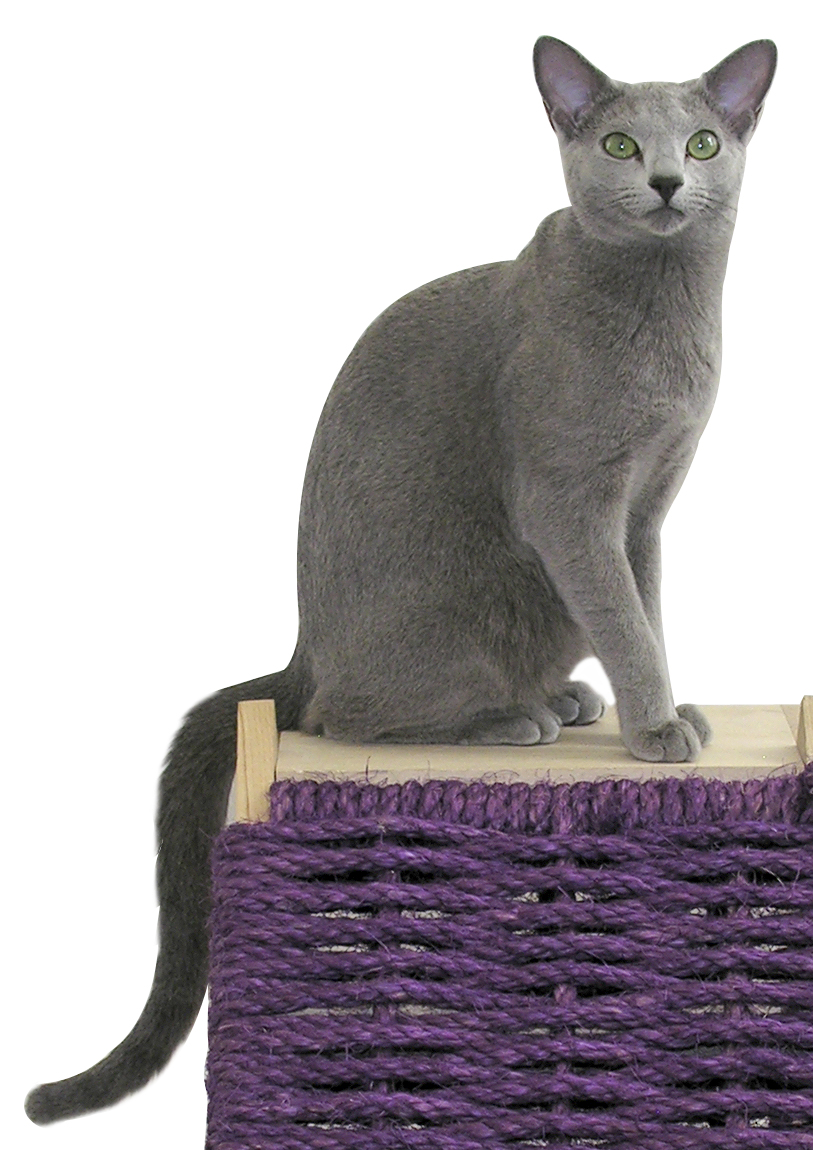
Azul Ruso gallery
Frequently asked questions about the Azul Ruso
How long does a Azul Ruso live?
▾
How much does a Azul Ruso weigh?
▾
Where does the Azul Ruso breed come from?
▾
How much exercise does a Azul Ruso need?
▾
Is the Azul Ruso good with children?
▾
Who is the Azul Ruso NOT recommended for?
▾
What health problems does the Azul Ruso have?
▾
Is the Russian Blue hypoallergenic?
▾
Is it an affectionate cat?
▾
Can it be left alone?
▾
Does it gain weight easily?
▾
How long does the Russian Blue live?
▾
Learn more about cats
Practical veterinary guides to support your Azul Ruso.
Sources and references
Content compiled from official breed standards and leading veterinary sources.
Do you have a Azul Ruso?
Add them to Mizuu and we will remind you what is due for their breed and age: Echocardiography for hypertrophic cardiomyopathy (HCM), check-ups and vaccines.
Add my Azul RusoFree. Create your account in a minute and come back here.
Want to adopt a azul ruso?
There are azul rusos in Spanish rescue shelters looking for a family. Filter by breed in the catalogue.

