


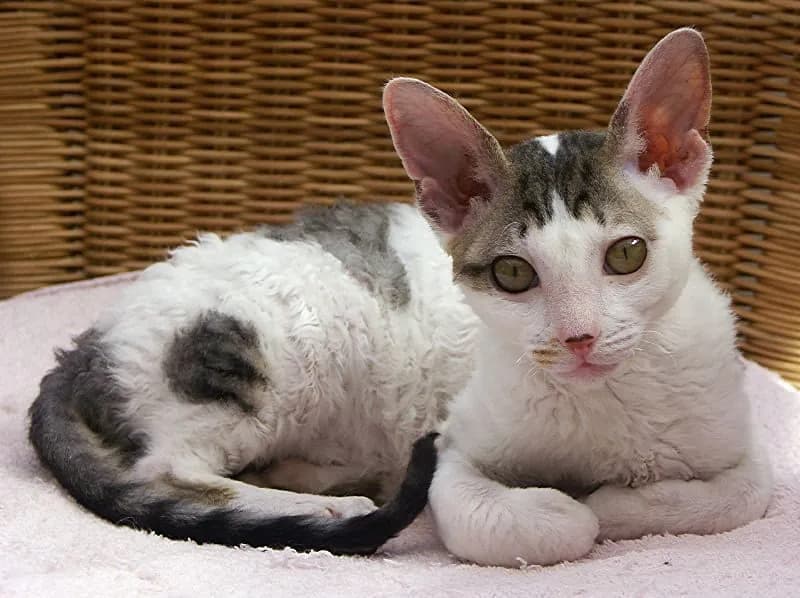
Cornish Rex
Wavy coat (mutation). Slender, athletic body. Active, sociable character.
Foto: Wikipedia Commons · CC BY-SA
Mizuu editorial teamupdated on October 14, 2026Not yet reviewed by a vet. Are you a vet? Review itReport an error
Ideal for
- Families with time for cuddling
- Flats
- Those seeking a sociable cat
Reconsider if
- ×Homes where it would be alone for many hours
Let me know when there are cats for adoption
We only write when a verified shelter posts one. One email a day at most.
Is the Cornish Rex a good match for you?
Indicative rating from 1 (low) to 5 (high).
Estimated cost of ownership
50-80 €/month
Quality food (25-40 €), litter (8-12 €), prorated preventive vet care (12-20 €), skin/ear hygiene and toys (8-12 €). Separately: annual check-up with cardiac assessment (40-70 €).
History and origin
A wavy-coated breed originating in Cornwall (England) from a spontaneous mutation. With a slender body and a very fine coat, it is predisposed to hypertrophic cardiomyopathy and patellar luxation, as well as a certain sensitivity to anaesthesia.
Temperament and character
Typical character for its breed. Sociable or reserved depending on the individual. Early neutering (4-6 months) is the best preventive measure.
Living together
Children: good with respectful ones. **Other cats:** sociable if living together from a young age. **Dogs:** possible if calm.
Life stages of the Cornish Rex
Each stage has its own care priorities. Life expectancy: 11-15 años.
Kitten
0-6 months
Vaccination, thermal protection due to its sparse coat and a growth diet.
Junior
6 months-2 years
Neutering, HCM genetic test, patellar assessment and dental care.
Adult
2-10 years
HCM echocardiography, patellar monitoring, weight and anaesthetic caution.
Senior
11+ years
Cardiac follow-up, joint and renal monitoring and a geriatric diet.
Care
Brushing: according to coat (short = weekly · semi-long = 2-3 times · long = daily).
Litter tray: One litter tray per cat plus one extra (N+1 rule), in quiet spots away from food.
Feeding: quality wet + dry food.
Vet: annual check-up + blood work from age 7.
Care in detail
Nutrition
Fast metabolism and little insulation: it eats quite a lot for its size. A quality energy-dense food in several meals, keeping an athletic weight without letting it become too thin.
Grooming
Wavy, extremely fine coat: very gentle handling, a rubber glove, no harsh brushes. Regular cleaning of skin and ears; the occasional bath.
Training
Athletic and intelligent, almost 'dog-like': learns to fetch, walk on a harness and do tricks with positive reinforcement.
Exercise
Very high energy and great jumping ability: it needs sprints, intense daily play and vertical structures to burn off its energy.
Breed-specific health
Health tests recommended for this breed: Echocardiographic screening for hypertrophic cardiomyopathy (HCM); Blood typing (predisposition to type B → neonatal isoerythrolysis); Assessment of patellar luxation; Check for hypotrichosis and skin condition. Life expectancy 11-15 years.
Health predispositions for this breed
Conditions this breed is more predisposed to. Knowing about them helps with prevention and early detection. A predisposition does not mean the animal will develop them.
Common diseases in cats
Learn the symptoms, prevention and when to see the vet. Indicative information that does not replace a veterinary consultation.
Screening and prevention for the Cornish Rex
Recommended tests and screenings
- Echocardiographic screening for hypertrophic cardiomyopathy (HCM)
- Blood typing (predisposition to type B → neonatal isoerythrolysis)
- Assessment of patellar luxation
- Check for hypotrichosis and skin condition
Prevention
Early neutering, protection from the cold, periodic cleaning of greasy skin and ears, and anaesthetic caution (a breed sensitive to certain drugs). Always tell the vet it is a Cornish Rex before any anaesthesia.
Check-up schedule
Annual check-up with cardiac auscultation/ultrasound and dermatological assessment; in breeding animals, blood typing.
Warning signs
- !Rapid breathing or tiring easily (heart disease)
- !Lameness or slipping kneecap
- !Greasy skin, redness or hair loss
- !Cold intolerance and constant seeking of warmth
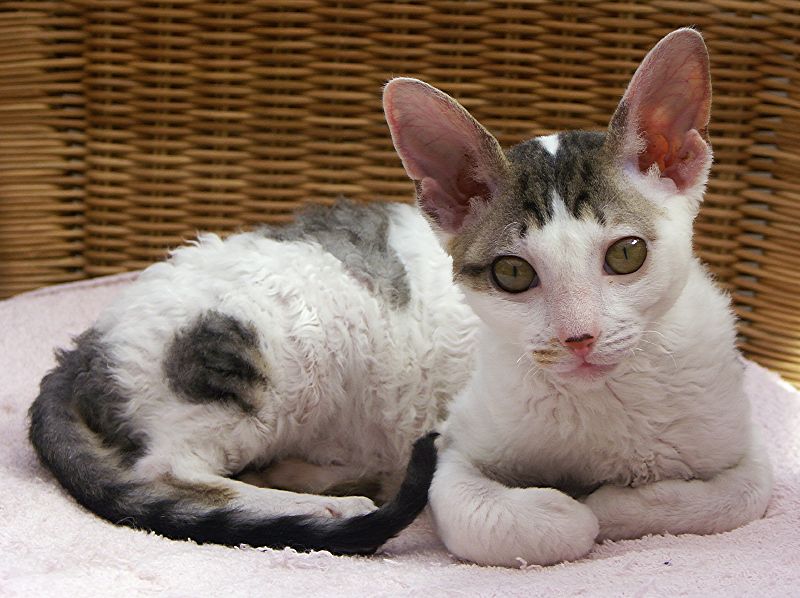
Cornish Rex gallery
Frequently asked questions about the Cornish Rex
How long does a Cornish Rex live?
▾
How much does a Cornish Rex weigh?
▾
Where does the Cornish Rex breed come from?
▾
How much exercise does a Cornish Rex need?
▾
Is the Cornish Rex good with children?
▾
Who is the Cornish Rex NOT recommended for?
▾
What health problems does the Cornish Rex have?
▾
Is it the same as the Devon Rex?
▾
Does it shed a lot?
▾
Does it need special care in the cold?
▾
Is there anything to warn about before anaesthesia?
▾
Is it very active?
▾
Learn more about cats
Practical veterinary guides to support your Cornish Rex.
Sources and references
Content compiled from official breed standards and leading veterinary sources.
Do you have a Cornish Rex?
Add them to Mizuu and we will remind you what is due for their breed and age: Echocardiographic screening for hypertrophic cardiomyopathy (HCM), check-ups and vaccines.
Add my Cornish RexFree. Create your account in a minute and come back here.
Want to adopt a cornish rex?
There are cornish rexs in Spanish rescue shelters looking for a family. Filter by breed in the catalogue.

