


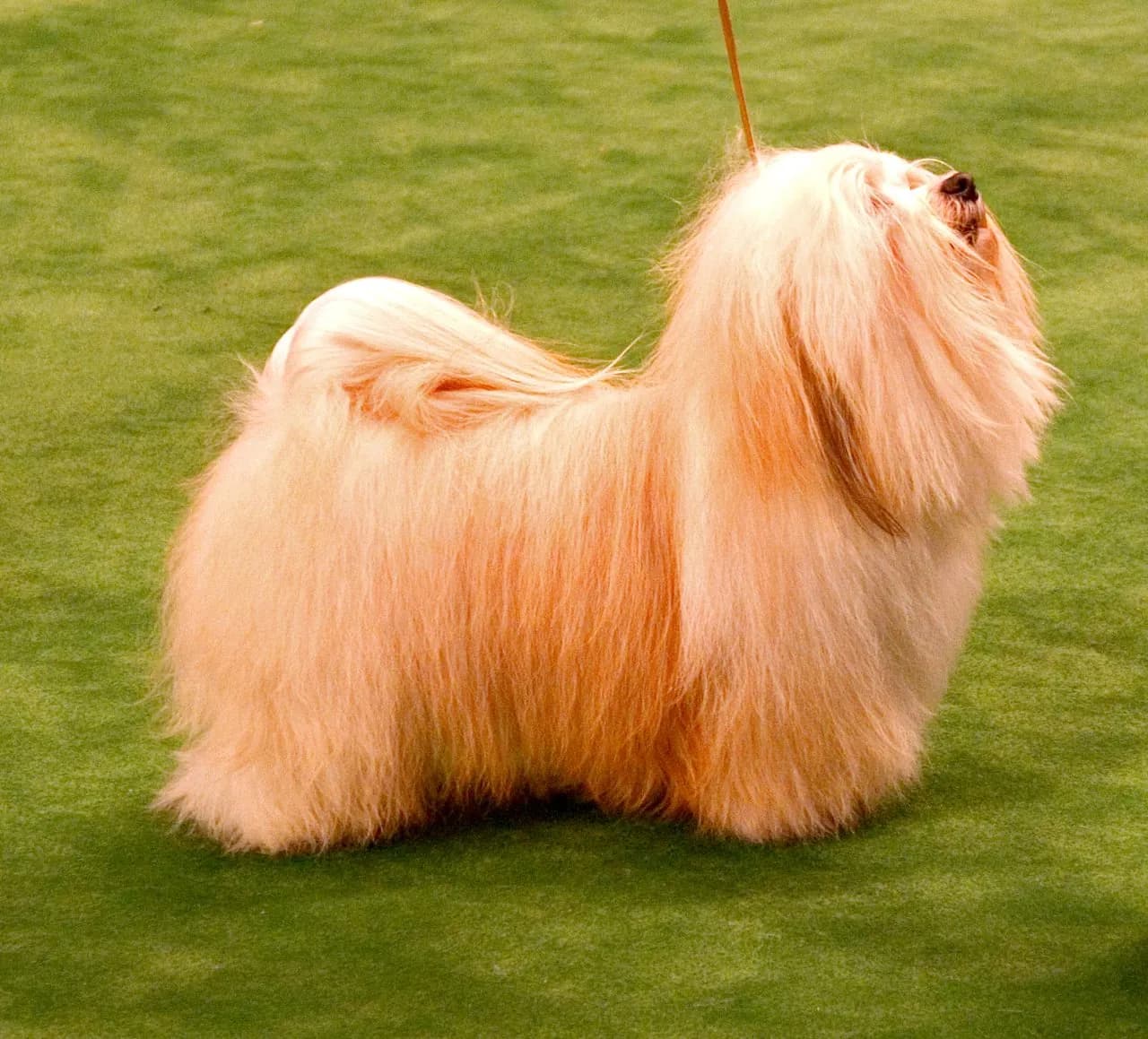
Bichón Habanero
A unique Cuban bichon. Long silky coat. Cheerful, playful, clownish character. An excellent companion dog. Hypoallergenic. Nearly extinct during the Cuban revolution, saved by emigrants.
Foto: Wikipedia Commons · CC BY-SA
Mizuu editorial teamupdated on October 14, 2026Not yet reviewed by a vet. Are you a vet? Review itReport an error
Ideal for
- Small flats
- Older people
- Urban families
Reconsider if
- ×Very young children (fragile)
- ×Homes with large clumsy dogs
Notify me when a Bichón Habanero is up for adoption
We'll only email you when a verified rescue posts one available. No spam, unsubscribe in 1 click.
We'll only use your email for this alert. More info in our privacy policy.
Is the Bichón Habanero a good match for you?
Indicative rating from 1 (low) to 5 (high).
Estimated cost of ownership
45-75 €/month
Toy-breed food (€15-25), veterinary and preventive care (€15-25), grooming every 6-8 weeks or home brushing supplies (€15-30), insurance and accessories (€5-15). Grooming is the main variable cost if the coat is kept long.
History and origin
Recognised by the FCI. Originating in Cuba (Havana). A unique Cuban bichon.
Temperament and character
Cheerful, sociable, attached to its human. Sensitive. Intelligent. A barker if 'small dog syndrome' is not trained out of it.
Living together
Children: with careful older ones (fragile). **Other dogs:** fine with those of its own size. **Cats:** usually gets along.
Life stages of the Bichón Habanero
Each stage has its own care priorities. Life expectancy: 13-15 años.
Puppy
0-12 months
Socialisation of the companion bichon; monitoring for lameness (Legg-Calvé-Perthes) and early care of the long coat.
Young
1-3 years
Moderate exercise, frequent brushing and gentle training; monitoring of the patellae.
Adult
3-9 years
Dental care, weight control and ophthalmological check-ups (retina/cataracts).
Senior
9+ years
Annual eye and joint check-ups; maintaining mobility and comfort.
Care
Exercise: 30-45 min/day (several short walks).
Brushing: depending on the coat (some daily, some weekly).
Dental hygiene critical: crowded teeth.
Veterinarian: annual check-up + attention to patellar luxation.
Care in detail
Nutrition
Quality food for toy breeds, in 2-3 meals. Control treats and weight: under the long coat it is easy for excess weight to go unnoticed.
Grooming
A long, silky, low-shedding coat (suitable for many allergy sufferers): brush 3-4 times a week to prevent knots. It can be kept long (more care) or in a pet clip. Hygienic trimming around the eyes. Bath every 3-4 weeks.
Training
Cheerful, clever and very sociable, almost a clown: it learns easily with positive reinforcement and enjoys tricks. Excellent for first-time owners. Socialise it early to avoid excessive attachment and barking out of boredom.
Exercise
30-45 minutes of daily walking and play; it loves interacting with the family. It is not an endurance athlete. Senior: short, frequent walks and mental games.
Breed-specific health
Patellar luxation. Dental problems. Hypoglycaemia (puppies). Life expectancy 13-15 years.
Health predispositions for this breed
Conditions this breed is more predisposed to. Knowing about them helps with prevention and early detection. A predisposition does not mean the animal will develop them.
Common diseases in dogs
Learn the symptoms, prevention and when to see the vet. Reviewed indicative information that does not replace a veterinary consultation.
Screening and prevention for the Bichón Habanero
Recommended tests and screenings
- Ophthalmological evaluation (cataracts, retinal atrophy)
- Patellar luxation examination (patella)
- Hip radiography where Legg-Calvé-Perthes is suspected
- BAER hearing test (deafness in some lines)
- Cardiac auscultation (congenital murmurs) and dental check
Prevention
Buy from breeders with parents tested for eyes, patella and hips. Watch the patella and, in puppies, possible hip lameness (Legg-Perthes). Maintain strict dental hygiene from a young age and protect the eyes from excess hair and tear staining.
Check-up schedule
Annual check-up including assessment of the patellae, eyes and teeth; dental cleanings as advised. Preventive blood work from 7 years of age.
Warning signs
- !Slipping patella or intermittent lameness
- !Progressive lameness of a hind leg in puppies (Legg-Calvé-Perthes)
- !Cloudy eyes or stumbling in low light (cataracts/retina)
- !Bad breath, tartar or tooth loss
Bichón Habanero gallery

Frequently asked questions about the Bichón Habanero
How long does a Bichón Habanero live?
▾
How much does a Bichón Habanero weigh?
▾
Where does the Bichón Habanero breed come from?
▾
How much exercise does a Bichón Habanero need?
▾
Is the Bichón Habanero good with children?
▾
Who is the Bichón Habanero NOT recommended for?
▾
What health problems does the Bichón Habanero have?
▾
Is it hypoallergenic?
▾
Is it good for first-time owners?
▾
Does it bark a lot?
▾
How much coat care does it need?
▾
Does it tolerate being left alone?
▾
Learn more about dogs
Practical veterinary guides to support your Bichón Habanero.
Sources and references
Content compiled from official breed standards and leading veterinary sources.
- WikipediaHavanese ↗
- AKCHavanese ↗
- FCIFCI Standard No. 250 ↗
Do you have a Bichón Habanero?
Add them to Mizuu and we will remind you what is due for their breed and age: Ophthalmological evaluation (cataracts, retinal atrophy), check-ups and vaccines.
Add my Bichón HabaneroFree. Create your account in a minute and come back here.
Want to adopt a bichón habanero?
There are bichón habaneros in rescue shelters looking for a family. Filter by breed in the catalogue.

