


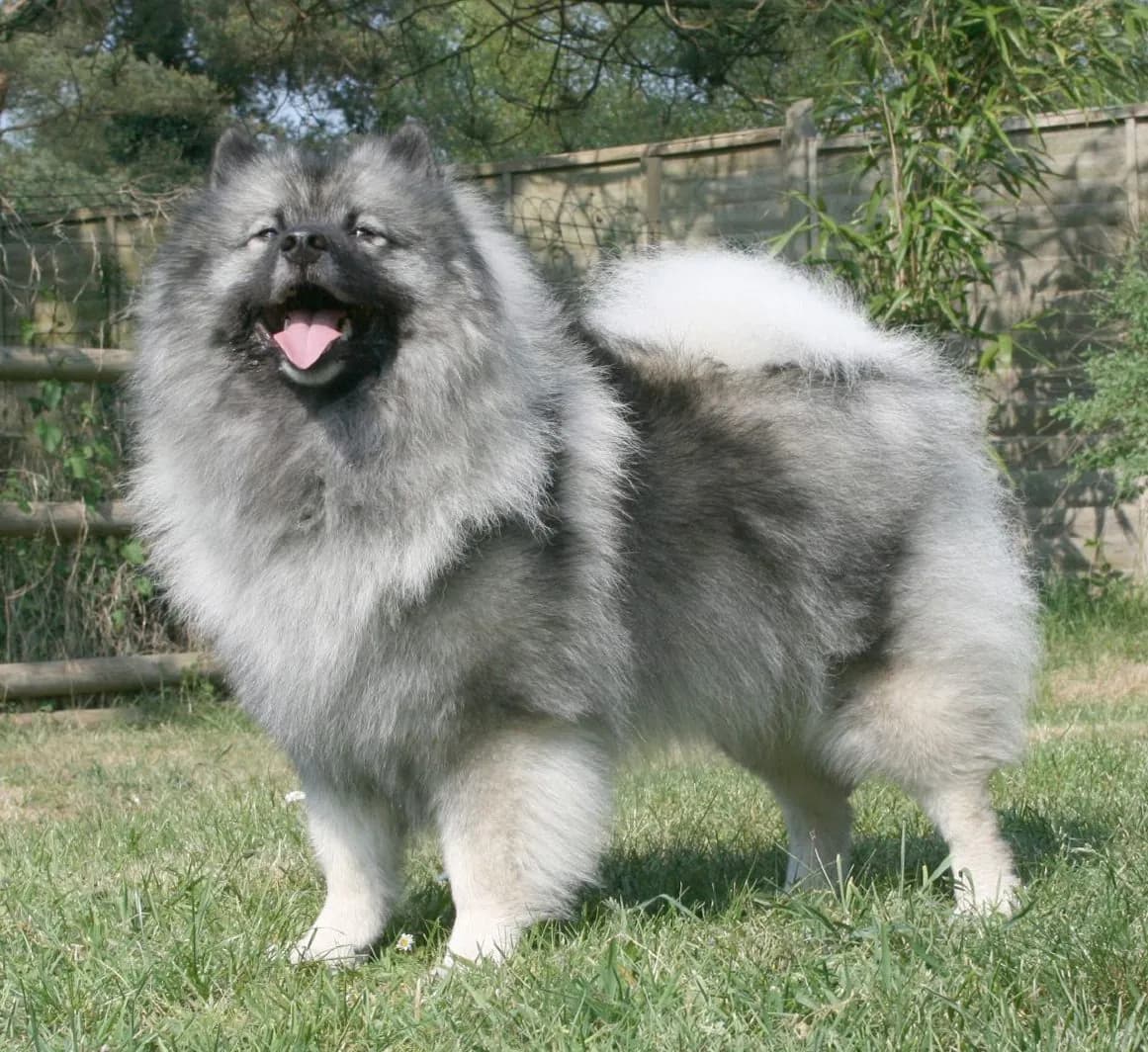
Keeshond
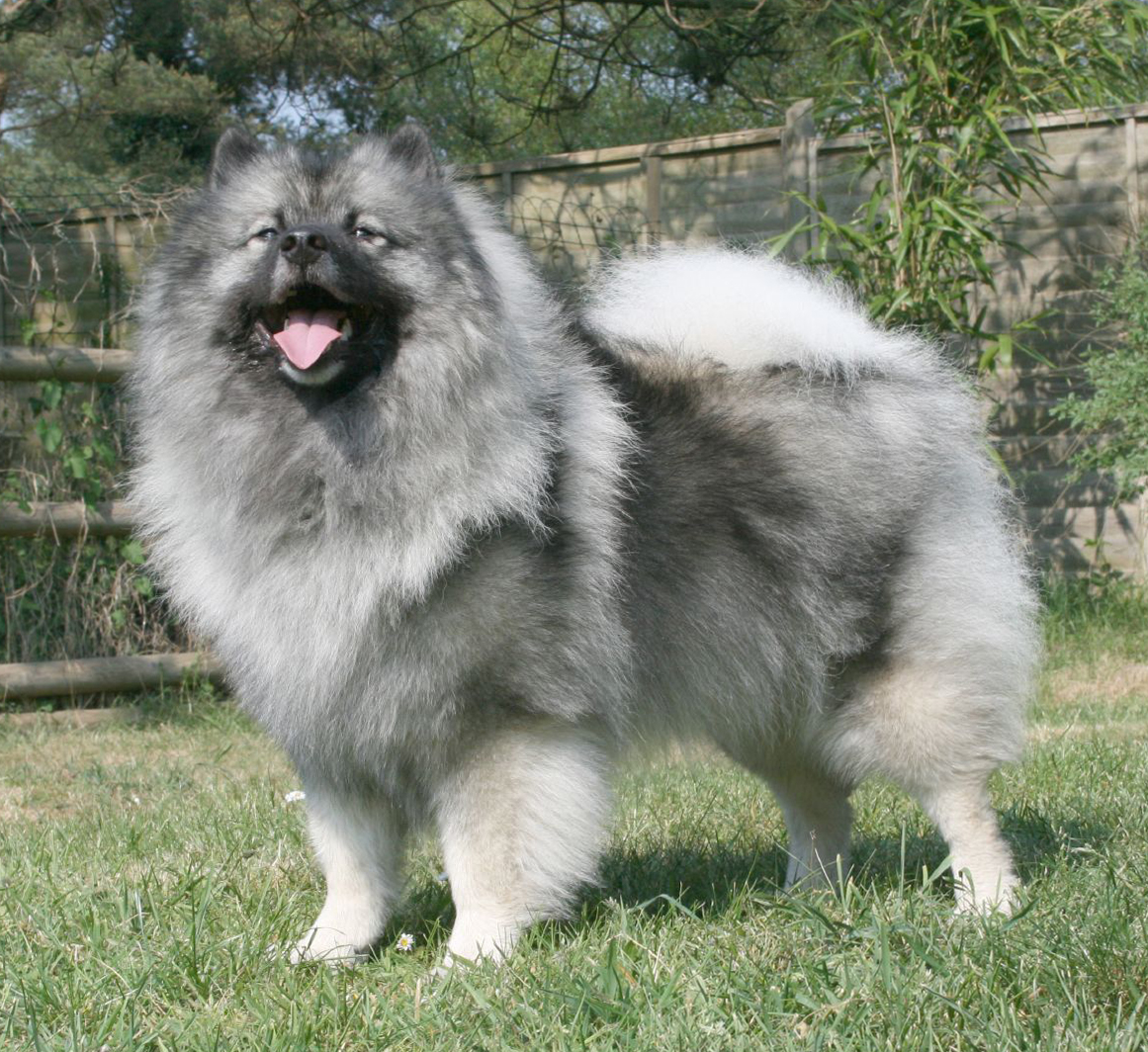
Dutch spitz. The traditional "barge dog". Symbol of the Dutch patriot party in the 18th century. Spectacular silver-grey coat. Cheerful, watchful character, a great barker.
Foto: Wikipedia Commons · CC BY-SA
Mizuu editorial teamupdated on October 14, 2026Not yet reviewed by a vet. Are you a vet? Review itReport an error
Ideal for
- Very active families
- Homes with a garden
- Canine sports (agility, obedience)
Reconsider if
- ×Sedentary families
- ×Homes with no daily exercise
- ×Homes where it is left alone for many hours (it suffers)
Let me know when there are dogs for adoption
We only write when a verified shelter posts one. One email a day at most.
Is the Keeshond a good match for you?
Indicative rating from 1 (low) to 5 (high).
Estimated cost of ownership
55-90 €/month
Quality food (25-40 €), vet and prevention (15-30 €), grooming/intensive brushing during moults or equipment at home (10-25 €), insurance and antiparasitics (5-15 €). Managing the moult (grooming or many hours of brushing) is the characteristic cost.
History and origin
Recognised by the FCI. Native to the Netherlands. Dutch spitz.
Temperament and character
Intelligent, hard-working, loyal to its family. It needs mental AND physical stimulation — boredom is the main cause of behavioural problems. Excellent with positive training.
Living together
Children: good with its own family. **Other dogs:** sociable with socialisation. **Other animals:** with early socialisation.
Life stages of the Keeshond
Each stage has its own care priorities. Life expectancy: 12-15 años.
Puppy
0-12 months
Socialisation of this sociable, cheerful companion; initial care of the abundant double coat.
Young
1-3 years
Moderate exercise and mental stimulation; frequent brushing; positive training; patella monitoring.
Adult
3-9 years
Weight control, thyroid and blood-glucose testing; screening for primary hyperparathyroidism (breed predisposed).
Senior
9+ years
Periodic endocrine (thyroid, parathyroid, diabetes) and joint check-ups.
Care
Exercise: 90-120 min/day divided into sessions. Off-lead time in a safe area is essential.
Brushing: 2-3 times/week; daily during moult.
Feeding: quality food suited to its physical activity.
Vet: annual check-up + blood work from age 5.
Care in detail
Nutrition
Quality maintenance food, in 2 meals. It easily tends towards being overweight under its abundant coat: weigh and palpate it regularly and control treats.
Grooming
A very dense double coat with a spectacular ruff: thorough brushing 2-3 times a week and daily during the two major seasonal moults, when it sheds a great deal of hair. Never shave: the double coat protects it from cold and heat. Occasional bath.
Training
Clever, cheerful and very family-oriented (a "velcro dog"): it learns quickly with positive reinforcement. It is an alert barker due to its past as a barge dog; teach a "quiet" command early on. Socialise it to channel its sociability.
Exercise
Moderate: 1 hour a day of walks and play, with a dose of mental work. It enjoys gentle canine sports and companionship. It copes poorly with heat: exercise in the cooler hours in summer.
Breed-specific health
Hip/elbow dysplasia. Progressive retinal atrophy (genetic test recommended). Life expectancy 12-15 years with proper care.
Health predispositions for this breed
Conditions this breed is more predisposed to. Knowing about them helps with prevention and early detection. A predisposition does not mean the animal will develop them.
Common diseases in dogs
Learn the symptoms, prevention and when to see the vet. Indicative information that does not replace a veterinary consultation.
Screening and prevention for the Keeshond
Recommended tests and screenings
- Genetic DNA test for primary hyperparathyroidism (PHPT)
- Official hip and elbow dysplasia radiograph
- Ophthalmological evaluation (progressive retinal atrophy, cataracts)
- Patellar luxation examination
- Cardiac auscultation (congenital defects) and thyroid check
Prevention
Buy from breeders who provide the parents' PHPT test: it is a breed-specific hereditary disorder with an available DNA test. Keep an appropriate weight and never shave the double coat, which insulates the dog from both cold and heat. Monitor the thyroid and the joints.
Check-up schedule
Annual check-up with cardiac auscultation and eye examination; hip radiograph at one year. Blood work with calcium (PHPT) and thyroid monitoring from age 5-6, and every six months in seniors.
Warning signs
- !Excessive thirst and urination, lethargy or urinary stones (hyperparathyroidism)
- !Weight gain, lethargy or symmetrical hair loss (hypothyroidism)
- !Stumbling or bumping into things in low light (retinal atrophy)
- !Lameness or joint stiffness (dysplasia)
Keeshond gallery
Frequently asked questions about the Keeshond
How long does a Keeshond live?
▾
How much does a Keeshond weigh?
▾
Where does the Keeshond breed come from?
▾
How much exercise does a Keeshond need?
▾
Is the Keeshond good with children?
▾
Who is the Keeshond NOT recommended for?
▾
What health problems does the Keeshond have?
▾
Does it shed a lot?
▾
Can I shave it in summer to keep it cooler?
▾
Does it bark a lot?
▾
Is it good with children and other dogs?
▾
Does it tolerate being left alone?
▾
Learn more about dogs
Practical veterinary guides to support your Keeshond.
Sources and references
Content compiled from official breed standards and leading veterinary sources.
- WikipediaKeeshond ↗
- AKCKeeshond ↗
- FCIFCI Standard No. 97 (German Spitz) ↗
Do you have a Keeshond?
Add them to Mizuu and we will remind you what is due for their breed and age: Genetic DNA test for primary hyperparathyroidism (PHPT), check-ups and vaccines.
Add my KeeshondFree. Create your account in a minute and come back here.
Want to adopt a keeshond?
There are keeshonds in Spanish rescue shelters looking for a family. Filter by breed in the catalogue.

