


Pomerania
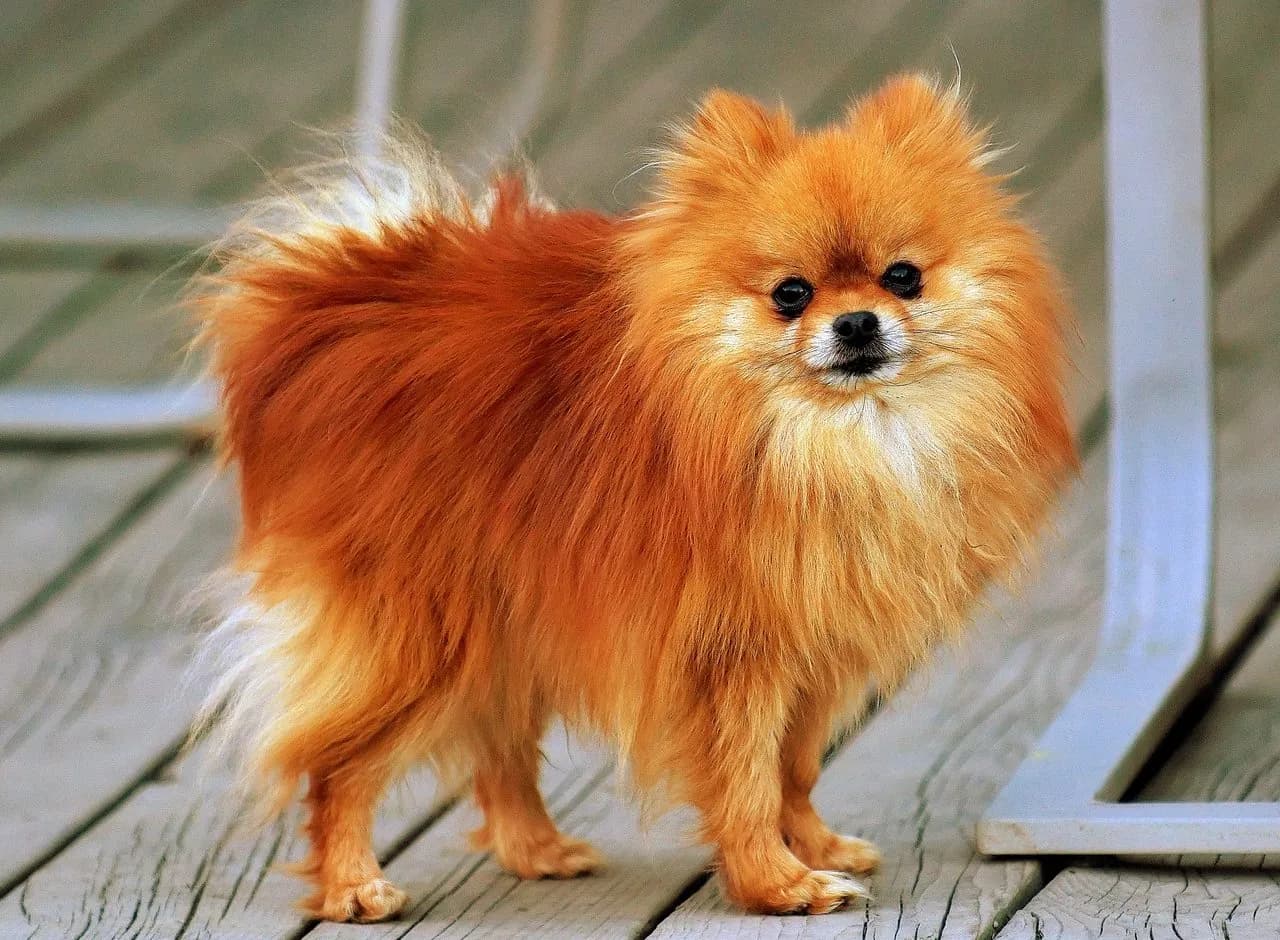
A fluffy mini-spitz. A cute fox-like face. A lush double coat. Very popular: a victim of irresponsible breeding and dental/joint problems. Bold, lively character.
Foto: Wikipedia Commons · CC BY-SA
Mizuu editorial teamupdated on October 14, 2026Not yet reviewed by a vet. Are you a vet? Review itReport an error
Ideal for
- Flats
- Older people
- Anyone looking for an elegant companion dog
Reconsider if
- ×Young children
- ×Homes without time for brushing
- ×Anyone who doesn't want a barker
Let me know when there are dogs for adoption
We only write when a verified shelter posts one. One email a day at most.
Is the Pomerania a good match for you?
Indicative rating from 1 (low) to 5 (high).
Estimated cost of ownership
35-60 €/month
Food: 10-18 € · Grooming: 12-22 € · Vet and dental: 10-20 €
History and origin
Bred down in the 19th century from large Nordic spitz dogs. Popularised by Queen Victoria of England, who fell in love with a small one in Italy.
Recognised by the FCI within Group 5 (spitz and primitive types). A dense double coat adapted to cold climates: in warm climates it requires precautions (shade, water, avoiding midday walks in summer).
Temperament and character
Bold, curious, lively. "Small dog syndrome" if not trained. A barker. Attached to its human. Intelligent. Needs daily mental stimulation — scent games, food-stuffed Kongs and short trick sessions channel its energy better than physical exercise alone. Responds best to positive reinforcement: physical punishment breeds fear, anxiety and reactivity — coercive methods are NOT recommended by veterinary behaviourists. Sensitive to its family's mood: it picks up on tension and mirrors it.
Living together
Children: better with older ones. Other dogs: territorial. Cats: coexists if socialised.
Life stages of the Pomerania
Each stage has its own care priorities. Life expectancy: 12-16 años.
Puppy
0-8 months
Careful handling due to fragility; starting dental hygiene; double coat care and socialisation.
Junior
8 months-1.5 years
Training and socialisation; patella and tracheal check; use of a harness instead of a collar.
Adult
1.5-9 years
Rigorous dental hygiene (periodontal), monitoring of tracheal collapse and patellas; coat care.
Senior
9+ years
Dental and cardiac health, tracheal monitoring and joint management; watch for coat changes.
Care
Exercise 30 min/day. Daily brushing or 4-5 times/week. Dental hygiene is critical (small mouth, crowded teeth). Careful with knocks (fragile).
Feeding: quality food matched to life stage (puppy/adult/senior) and size. Weight control: obesity is the leading preventable cause of joint problems.
Vet: annual check-up with preventive blood work from age 5; twice a year from 8.
Care in detail
Nutrition
Food for miniature breeds; in puppies, frequent meals due to the risk of hypoglycaemia.
Grooming
Daily or near-daily brushing of its lush double coat, intensive during moults. Frequent dental hygiene.
Training
Intelligent and bold but a barker: it needs training to avoid small dog syndrome. Positive reinforcement and socialisation.
Exercise
30-45 minutes daily of walking and play; careful with knocks due to its fragility and with the heat.
Breed-specific health
Patellar luxation. Tracheal collapse. Alopecia X. Dental problems. Hypoglycaemia (puppies). Life expectancy 12-16 years. If you go to a breeder, ask for the parents' health tests relevant to the breed. When adopting, ask the shelter for a vet report on the dog's current condition.
Health predispositions for this breed
Conditions this breed is more predisposed to. Knowing about them helps with prevention and early detection. A predisposition does not mean the animal will develop them.
Common diseases in dogs
Learn the symptoms, prevention and when to see the vet. Indicative information that does not replace a veterinary consultation.
Screening and prevention for the Pomerania
Recommended tests and screenings
- Orthopaedic assessment for patellar luxation
- Dental check (small mouth with crowded teeth)
- Tracheal collapse assessment
- Alopecia X work-up in case of hair loss
Prevention
Critical dental hygiene due to its small mouth, use of a harness instead of a collar to avoid damaging the trachea, protection from heat due to its dense double coat, and care with falls.
Check-up schedule
Annual check-up with emphasis on the mouth, patellas and trachea.
Warning signs
- !A dry, honking cough when excited or pulling on the collar (tracheal collapse)
- !Patella slipping or lameness
- !Symmetrical hair loss without itching (alopecia X)
- !Heavy tartar and bad breath
Pomerania gallery

Frequently asked questions about the Pomerania
How long does a Pomerania live?
▾
How much does a Pomerania weigh?
▾
Where does the Pomerania breed come from?
▾
How much exercise does a Pomerania need?
▾
Is the Pomerania good with children?
▾
Who is the Pomerania NOT recommended for?
▾
What health problems does the Pomerania have?
▾
Does the Pomeranian bark a lot?
▾
Should its coat be shaved short in summer?
▾
Why is its dental hygiene so important?
▾
Is it fragile?
▾
What is alopecia X?
▾
Related and similar breeds
Learn more about dogs
Practical veterinary guides to support your Pomerania.
Sources and references
Content compiled from official breed standards and leading veterinary sources.
Do you have a Pomerania?
Add them to Mizuu and we will remind you what is due for their breed and age: Orthopaedic assessment for patellar luxation, check-ups and vaccines.
Add my PomeraniaFree. Create your account in a minute and come back here.
Want to adopt a pomerania?
There are pomeranias in Spanish rescue shelters looking for a family. Filter by breed in the catalogue.

