


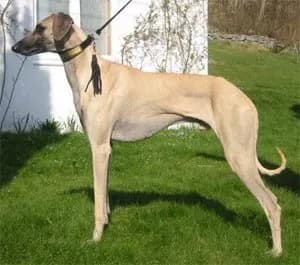
Sloughi (Galgo Árabe)
Sighthound of the desert. More slender than the Saluki. Reserved and loyal. Needs a safe area to run.
Foto: Wikipedia Commons · CC BY-SA
Mizuu editorial teamupdated on October 14, 2026Not yet reviewed by a vet. Are you a vet? Review itReport an error
Ideal for
- Calm families
- Flats with daily walks + sprints
Reconsider if
- ×Homes with rabbits/cats
- ×Extreme climates without a coat
Let me know when there are dogs for adoption
We only write when a verified shelter posts one. One email a day at most.
Is the Sloughi (Galgo Árabe) a good match for you?
Indicative rating from 1 (low) to 5 (high).
Estimated cost of ownership
80-125 €/month
Food 28-40 €, vet costs prorated (vaccinations, deworming, check-up, anaesthetic precaution) 18-28 €, insurance and unexpected costs 12-22 €, coat/bed and accessories 8-15 €, basic hygiene 4-10 €.
History and origin
Recognised by the FCI. Originating in North Africa. A desert sighthound.
Temperament and character
Intelligent, loyal and well-balanced when properly socialised and trained. Needs daily mental stimulation. Responds best to positive reinforcement. Physical punishment breeds fear and reactivity.
Living together
Children: good with respectful ones. **Other dogs:** sociable with its own type. **Cats/rabbits:** strong prey drive, NO.
Life stages of the Sloughi (Galgo Árabe)
Each stage has its own care priorities. Life expectancy: 12-16 años.
Puppy
0-15 months
Broad socialisation of this sensitive, reserved sighthound; controlled exercise during growth.
Young adult
1-4 years
Running and free galloping in a safe area; protection from the cold due to his scant body fat.
Adult
4-9 years
Physical upkeep; eye checks; caution with anaesthetics typical of sighthounds.
Senior
9+ years
Ophthalmic and cardiac check-ups; senior diet and a padded bed.
Care
Exercise: long walks + free-running sprints.
Brushing: brief weekly session.
**Coat in winter.
Vet: documented anaesthetic sensitivity — always inform them.
Care in detail
Nutrition
Quality food in 2 meals, adjusted to his natural sighthound leanness: he should be slim but not skeletal, with the last two ribs visible. Avoid large meals close to intense exercise.
Grooming
Very short, fine coat with minimal upkeep: weekly brushing with a grooming mitt and a bath only when needed. Check the skin (thin and delicate), the nails and the pads. In winter he needs a coat more than brushing.
Training
Reserved, sensitive and closely bonded to his family, aloof with strangers. Learns through positive reinforcement and trust, never harshness: he is proud and shuts down under punishment. Early, patient socialisation so he is not excessively shy.
Exercise
Long daily walks plus free sprints in a fenced enclosure. He is a desert distance-and-speed runner: he needs to stretch out at a gallop safely. With a very high prey drive, never off-lead near cats, rabbits or traffic.
Breed-specific health
Conditions commonly seen in the breed according to its FCI group. Life expectancy 12-16 years with proper care. Annual vet check plus blood work from age 5.
Health predispositions for this breed
Conditions this breed is more predisposed to. Knowing about them helps with prevention and early detection. A predisposition does not mean the animal will develop them.
Common diseases in dogs
Learn the symptoms, prevention and when to see the vet. Indicative information that does not replace a veterinary consultation.
Screening and prevention for the Sloughi (Galgo Árabe)
Recommended tests and screenings
- Ophthalmic examination (progressive retinal atrophy; a breed-specific genetic test exists)
- Cardiac auscultation and echocardiography
- Haematology and biochemistry using sighthound reference ranges
- Pre-anaesthetic assessment (documented sensitivity to anaesthetics)
Prevention
ALWAYS warn that this is a sighthound before anaesthesia or sedation: little body fat and a different metabolism. Coat in winter and a padded bed. Genetic test for retinal atrophy before breeding. Protection of the thin skin against abrasions.
Check-up schedule
Annual check-up with reference blood work in the adult; ophthalmic and cardiac monitoring. One-off PRA genotyping if appropriate.
Warning signs
- !Slow recovery or exaggerated reaction after anaesthesia/sedation
- !Progressive night blindness or bumping into objects (retinal atrophy)
- !Murmur or early tiring during exercise
- !Shivering and seeking warmth in the cold (thin skin, little fat)
Sloughi (Galgo Árabe) gallery

Frequently asked questions about the Sloughi (Galgo Árabe)
How long does a Sloughi (Galgo Árabe) live?
▾
How much does a Sloughi (Galgo Árabe) weigh?
▾
Where does the Sloughi (Galgo Árabe) breed come from?
▾
How much exercise does a Sloughi (Galgo Árabe) need?
▾
Is the Sloughi (Galgo Árabe) good with children?
▾
Who is the Sloughi (Galgo Árabe) NOT recommended for?
▾
What health problems does the Sloughi (Galgo Árabe) have?
▾
How does it differ from the Saluki?
▾
Can it live with cats or rabbits?
▾
Is it affectionate?
▾
Does it cope with the cold?
▾
Is it a good breed for someone without experience?
▾
Learn more about dogs
Practical veterinary guides to support your Sloughi (Galgo Árabe).
Sources and references
Content compiled from official breed standards and leading veterinary sources.
- WikipediaSloughi ↗
- AKCSloughi ↗
- FCISloughi (FCI no. 188) ↗
Do you have a Sloughi (Galgo Árabe)?
Add them to Mizuu and we will remind you what is due for their breed and age: Ophthalmic examination (progressive retinal atrophy; a breed-specific genetic test exists), check-ups and vaccines.
Add my Sloughi (Galgo Árabe)Free. Create your account in a minute and come back here.
Want to adopt a sloughi (galgo árabe)?
There are sloughi (galgo árabe)s in Spanish rescue shelters looking for a family. Filter by breed in the catalogue.

