


Tibetan Spaniel
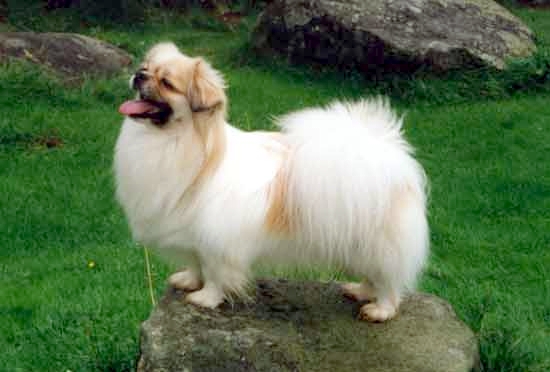
Sentinel of Tibetan monasteries. Cheerful, independent character. Loves to keep watch from a height. Excellent for flats.
Foto: Wikipedia Commons · CC BY-SA
Ideal for
- ✓Small flats
- ✓Older people
- ✓Quiet urban families
Reconsider if
- ×Very young children (fragile)
Notify me when a Tibetan Spaniel is up for adoption
We'll only email you when a verified rescue posts one available. No spam, unsubscribe in 1 click.
We'll only use your email for this alert. More info in our privacy policy.
Is the Tibetan Spaniel a good match for you?
Indicative rating from 1 (low) to 5 (high).
💶 Estimated cost of ownership
45-75 €/month
Food 15-22 €, prorated vet costs (vaccinations, deworming, check-up, dental) 12-22 €, grooming/brushing and supplies 6-12 €, insurance and unexpected costs 6-12 €, accessories 4-8 €.
History and origin
Recognised by the FCI. Originating in Tibet. Sentinel of Tibetan monasteries.
Temperament and character
Intelligent, loyal and balanced when well socialised and trained. Needs daily mental stimulation. Responds best to positive reinforcement. Physical punishment creates fear and reactivity.
Living together
Children: with older, careful ones (fragile). **Other dogs:** fine with those of its size. **Cats:** usually gets along.
Life stages of the Tibetan Spaniel
Each stage has its own care priorities. Life expectancy: 12-15 años.
Puppy
0-12 months
Socialisation; eye protection and gentle training of this alert, independent dog.
Young adult
1-3 years
Moderate exercise and play; coat care and eye check-ups.
Adult
3-9 years
Ophthalmological check-ups (PRA), weight control and patellar health.
Senior
9+ years
Eye and dental monitoring; senior diet and adapted exercise.
Care
Exercise: 30-45 min/day.
Grooming: according to coat.
**Dental hygiene is critical.
Vet: annual check-up + watch for patellar luxation.
Care in detail
🍽️ Nutrition
Quality small-breed food in 2 meals, with a kibble suited to its small mouth and portion control: it is a comfort-lover and gains weight easily. Watch treats and scraps to protect the patellae and breathing.
✂️ Grooming
Semi-long, silky coat of moderate upkeep: brush 2-3 times a week, a little more during moults, paying attention to the feathering on the ears, tail and trousers. Clean the eyes and facial folds and check the teeth frequently.
🎓 Training
Clever, watchful and independent, with a cat-like streak: it does things if it feels like it. Learns with positive reinforcement and short, fun sessions. It loves to keep watch from up high; it is worth working on controlling the alert bark from puppyhood.
🏃 Exercise
30-45 min daily between short walks and play at home. It has low physical demands: it is a companion dog perfect for a flat and for older people, happy to watch the window and keep company.
Breed-specific health
Conditions common to the breed according to its FCI group. Life expectancy 12-15 years with proper care. Annual vet check + blood work from 5 years of age.
🩺 Health predispositions of this breed
Conditions this breed is more predisposed to. Knowing about them helps with prevention and early detection. A predisposition does not mean the animal will develop them.
Common diseases in dogs
Learn the symptoms, prevention and when to see the vet. Reviewed indicative information that does not replace a veterinary consultation.
Screening and prevention for the Tibetan Spaniel
Recommended tests and screenings
- ✓Ophthalmological exam (progressive retinal atrophy; a PRA3 genetic test exists)
- ✓Radiograph of the patellae (luxation)
- ✓Respiratory assessment (it is mildly brachycephalic, with slightly short airways)
- ✓Cardiac auscultation and dental check
Prevention
Rigorous dental hygiene (small, crowded mouth). Weight control to avoid overloading the patellae and airways. Eye care (slightly prominent eyes) and cleaning of facial folds. Avoid heat and intense exertion in summer.
Check-up schedule
Annual check-up with ophthalmological and dental monitoring; blood work from 6-7 years of age. One-off PRA genetic test if appropriate.
Warning signs
- !Bumping into objects or progressive night blindness (retinal atrophy)
- !Intermittent lameness with skipping on a hind leg (patellar luxation)
- !Snoring, choking or exercise and heat intolerance
- !Bad breath and tartar (dental disease)
Tibetan Spaniel gallery
Frequently asked questions about the Tibetan Spaniel
How long does a Tibetan Spaniel live?
▾
How much does a Tibetan Spaniel weigh?
▾
Where does the Tibetan Spaniel breed come from?
▾
How much exercise does a Tibetan Spaniel need?
▾
Is the Tibetan Spaniel good with children?
▾
Who is the Tibetan Spaniel NOT recommended for?
▾
What health problems does the Tibetan Spaniel have?
▾
Is it really a spaniel?
▾
Is it good for a flat?
▾
Does it have breathing problems like a bulldog?
▾
Does it bark a lot?
▾
Does it get along with children and other animals?
▾
Learn more about dogs
Practical veterinary guides to support your Tibetan Spaniel.
Sources and references
Content compiled from official breed standards and leading veterinary sources.
Want to adopt a tibetan spaniel?
There are tibetan spaniels in rescue shelters looking for a family. Filter by breed in the catalogue.