


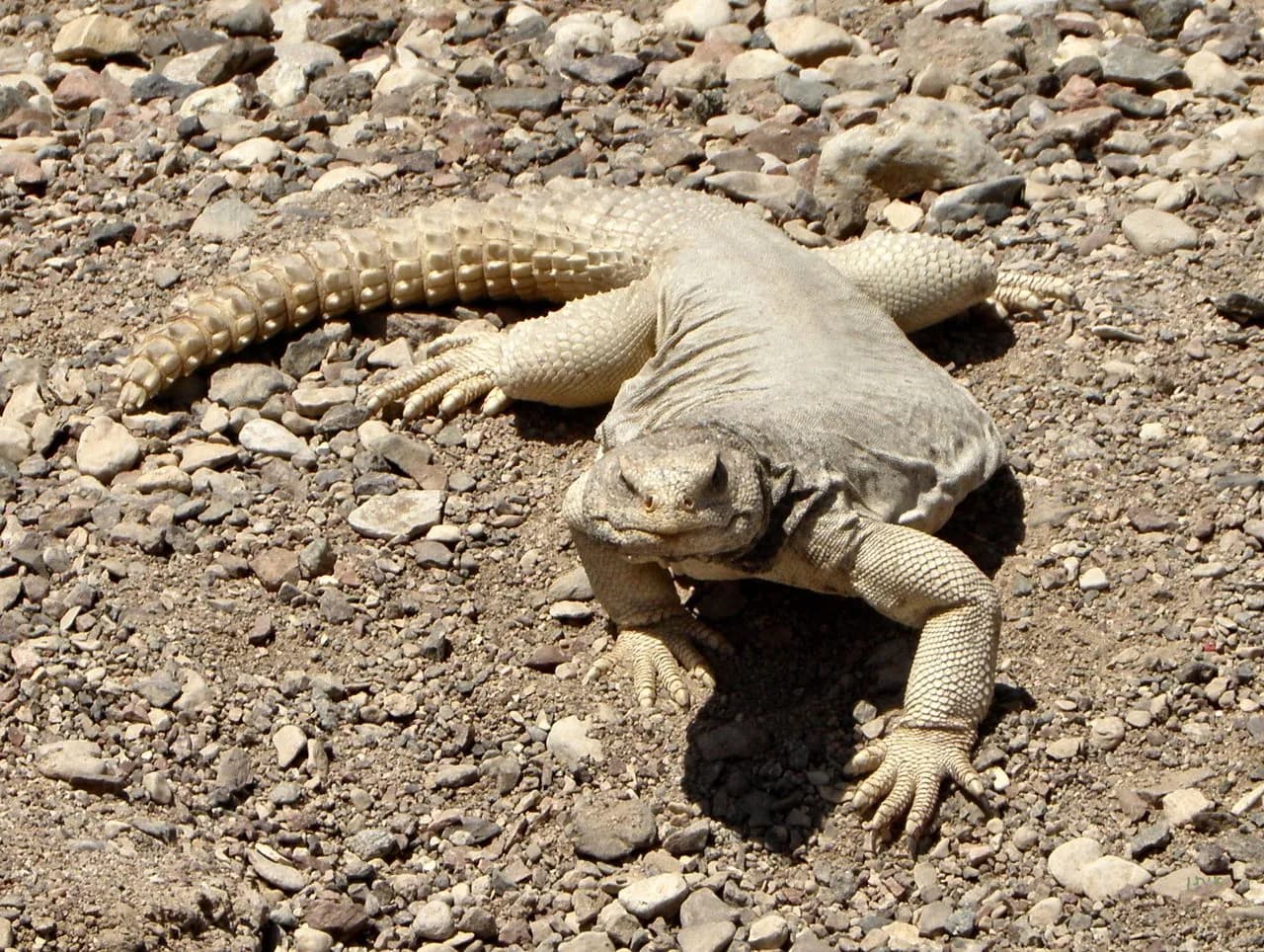
Uromastix
Herbivorous desert lizard. Needs very high heat and intense UVB.
Foto: Wikipedia Commons · CC BY-SA
Ideal for
- ✓Those looking for an exotic pet with a technical commitment
- ✓Patient people (reptiles need time to build trust)
- ✓Homes with space for a terrarium
Reconsider if
- ×Homes with young children without supervision
- ×People without prior experience (consult an exotic vet first)
- ×Life 100% in a small terrarium (cruel)
Notify me when a Uromastix is up for adoption
We'll only email you when a verified rescue posts one available. No spam, unsubscribe in 1 click.
We'll only use your email for this alert. More info in our privacy policy.
Is the Uromastix a good match for you?
Indicative rating from 1 (low) to 5 (high).
💶 Estimated cost of ownership
30-55 €/month
The largest recurring cost is the electricity for the powerful heat lamp and the UVB running ~12 h/day (15-30 €). Cheap plant-based food (5-12 €), prorated calcium/vitamin supplements and substrate (3-6 €), replacement of the UVB tube every 9-12 months and a prorated exotic vet provision (8-15 €). The heavy initial investment (large terrarium, thermostats, lighting) is separate and not monthly.
History and origin
Spiny-tailed lizards (Uromastyx) from the deserts of North Africa and Asia; herbivores that need very high temperatures and dry conditions.
Temperament and character
Reptiles are NOT social like mammals. They tolerate handling but do not seek company. Trust is earned with patience.
Living together
Children: depends on species + educational handling. **Other pets:** avoid — a two-way risk. **Other reptiles:** according to species, better in separate terrariums.
Life stages of the Uromastix
Each stage has its own care priorities. Life expectancy: 15-30 años.
Hatchling/Neonate
0-6 months
Desert species: a very hot spot 40-50 °C and strong UVB; a herbivorous diet (seeds, leaves) with calcium; a very dry environment.
Juvenile
6 months-2 years
Legumes, leaves and seeds with calcium; intense basking, dry diggable substrate; very little water (it gets it from food).
Subadult
2-4 years
A spacious arid terrarium with a large thermal gradient; a fibre-rich herbivorous diet, avoiding excess protein.
Adult
4+ years
Strictly herbivorous, very high basking; sensitive to cold and humidity (hypothermia/infections); monitoring of egg-laying.
Care
Terrarium: minimum size according to species (consult specific guides). UVB mandatory for diurnal species.
Temperature: day/night gradient · warm zone vs cool zone for thermoregulation.
Humidity: according to species (rainforest 70%+ · desert 30-50%).
Feeding: species-specific diet · insectivores, herbivores and carnivores vary radically.
Veterinarian: exotic vet (a regular vet will NOT do). Annual check-up.
Care in detail
🍽️ Nutrition
A strict desert herbivore: a daily base of fibrous leaves and flowers (dandelion, escarole, endive, chicory, kale, rocket, hibiscus, rose petals). As a supplement, small amounts of seeds and dried legumes (lentils, millet, crushed raw chickpeas). Completely avoid animal protein and insects in adults (they cause gout), abundant fruit (diarrhoea) and watery vegetables such as iceberg lettuce. Dust calcium at each feeding and a multivitamin 1-2 times a week. It hydrates mainly from vegetables; offer shallow water and a weekly warm bath.
✂️ Grooming
No grooming required. Check that shedding completes without remnants on the toes and tail (a warm bath helps). Keep nails in check with rough surfaces for wear and check that the cloaca is clean. Spot-clean droppings daily and periodically disinfect the terrarium.
🎓 Training
It is not trained like a mammal: it is a reptile that tolerates handling but does not seek company. With short, gentle, daily sessions it gets used to human presence and to eating from the hand, gaining trust with patience. Avoid over-handling, support its whole body when holding it and never by the tail. Always wash your hands before and after (salmonella risk).
🏃 Exercise
It is active during the day: it alternates basking, exploring and digging. It needs a spacious terrarium (minimum 120 x 60 cm for an adult, ideally larger) with a marked thermal gradient, a substrate that allows it to dig burrows, hides and climbing areas. The very behaviour of thermoregulating and digging covers its need for activity; a small space causes it stress and atrophy.
Breed-specific health
UVB deficiency (rickets, MBD), parasites, respiratory infections from incorrect humidity. Life expectancy 15-30 years when well cared for.
🩺 Health predispositions of this breed
Conditions this breed is more predisposed to. Knowing about them helps with prevention and early detection. A predisposition does not mean the animal will develop them.
Common diseases in reptiles
Learn the symptoms, prevention and when to see the vet. Reviewed indicative information that does not replace a veterinary consultation.
Screening and prevention for the Uromastix
Recommended tests and screenings
- ✓Faecal exam (parasites) on acquisition and annually — wild-caught individuals often carry pinworms, coccidia and protozoa
- ✓Radiograph to rule out intestinal impaction and assess bone density (MBD)
- ✓Blood work with renal profile and uric acid (gout screening from excess animal protein)
- ✓Respiratory culture/cytology if there are secretions (infection from cold or high humidity)
- ✓Abdominal ultrasound in adult females to monitor folliculogenesis and egg retention
Prevention
Buy from a breeder with captive-bred (CB) individuals, never wild-caught, to avoid parasites and chronic stress. Provide powerful UVB (T5 12% desert) renewed every 9-12 months and supplement with calcium with/without D3 to prevent metabolic bone disease. Maintain a basking spot of 49-54 °C and a dry environment (humidity 20-40%): it is the best defence against respiratory infections. A 100% plant-based diet without insects in adults to avoid renal gout, and quarantine of every new individual.
Check-up schedule
Examination by an exotic vet on acquisition (with a faecal exam) and an annual check-up for life; in wild-caught individuals, repeat the faecal exam at 3-6 months. From 10 years of age, or for breeding females, a six-monthly assessment.
Warning signs
- !Apathy, refusing to bask or hiding permanently (cold, pain or illness)
- !Tremors, jaw/limb deformity or difficulty moving (MBD)
- !Open mouth, nasal bubbles or laboured breathing (respiratory infection)
- !Persistent straining to defecate, abdominal swelling or absence of droppings (impaction)
- !A restless female, digging constantly without laying after weeks (egg retention, an emergency)
Uromastix gallery

Frequently asked questions about the Uromastix
How long does a Uromastix live?
▾
How much does a Uromastix weigh?
▾
Where does the Uromastix breed come from?
▾
How much exercise does a Uromastix need?
▾
Is the Uromastix good with children?
▾
Who is the Uromastix NOT recommended for?
▾
What health problems does the Uromastix have?
▾
Why does it need so much heat?
▾
Can it eat insects or meat?
▾
Does it need to drink water from a bowl?
▾
Is it a good pet for beginners or children?
▾
How long does it live and what health care is key?
▾
Learn more about reptiles
Practical veterinary guides to support your Uromastix.
Sources and references
Content compiled from official breed standards and leading veterinary sources.
- WikipediaUromastyx ↗
- The Reptile DatabaseReptile Database ↗
- AHESpanish Herpetological Association ↗
Want to adopt a uromastix?
There are uromastixs in rescue shelters looking for a family. Filter by breed in the catalogue.