


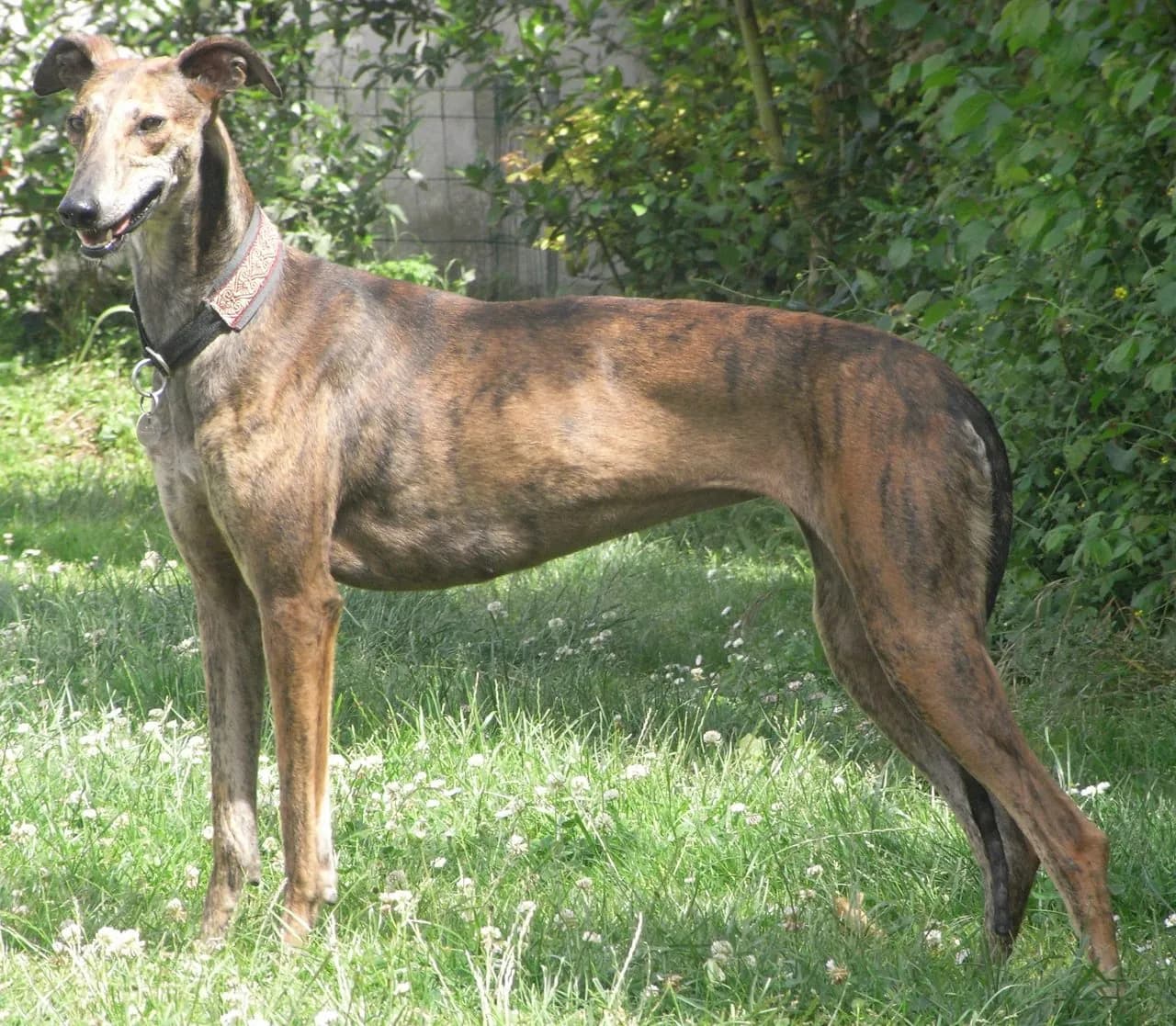
Galgo Español
The most abused Spanish national breed. Extreme speed (60-70 km/h) + a gentle temperament. Thousands abandoned at the end of the hunting season. Adopting a galgo is a direct act of solidarity.
Foto: Wikipedia Commons · CC BY-SA
Mizuu editorial teamupdated on October 14, 2026Not yet reviewed by a vet. Are you a vet? Review itReport an error
Ideal for
- Calm families (they are lazy at home)
- Flats (with daily walks)
- Those who value gentle, elegant dogs
- Solidarity adoption
Reconsider if
- ×Homes with small animals running loose (prey drive)
- ×People who cannot provide a weekly off-lead run in an enclosed park
Notify me when a Galgo Español is up for adoption
We'll only email you when a verified rescue posts one available. No spam, unsubscribe in 1 click.
We'll only use your email for this alert. More info in our privacy policy.
Is the Galgo Español a good match for you?
Indicative rating from 1 (low) to 5 (high).
Estimated cost of ownership
50-90 €/month
Food 25-40 €, sandfly protection 8-15 €, a veterinary allowance 15-25 € (leishmania monitoring), coat/padded bed and sundries 5-10 €.
History and origin
One of the oldest breeds, present in the Iberian Peninsula since Roman times. Traditionally used for hare coursing. A regrettable history of mass abandonment in February (end of the season). Associations such as ANAA, Galgos112 and SOS Galgos rescue them.
Temperament and character
Gentle, calm, quiet. PASSIVE at home (a sleeping greyhound). Active in short bursts. Often wary of strangers at first. Bonds intensely with its family.
Living together
Children: very good, tolerant. Other dogs: sociable. Cats: VARIABLE — some have an intense prey drive, others live together well. Ask the rescue.
Life stages of the Galgo Español
Each stage has its own care priorities. Life expectancy: 12-15 años.
Puppy
0-11 months
Adequate calorie intake (slender build), protection from the cold due to its scant fat, and early socialisation.
Junior
11 months-2 years
Controlled runs in safe areas; care of the fine skin against cuts and abrasions.
Adult
2-8 years
Anaesthesia protocols adapted to sighthounds (low fat), leishmaniasis prevention (collar/repellent) and a coat in winter.
Senior
8+ years
Oncological monitoring, cardiac and eye check-ups (cataracts); maintaining muscle with gentle walks.
Care
Exercise: 1-2 hours of walking daily + a weekly off-lead run in a fenced area (10 min is enough). Grooming: very low (short coat). Diet: adult food for medium breeds. Cold: needs a coat (little body fat).
Care in detail
Nutrition
Quality food for medium breeds. They are naturally lean: do not mistake their athletic silhouette for being underweight, and do not overfeed them.
Grooming
Minimal. Short, fine coat, weekly brushing and the occasional bath. Look after the pressure points (elbows, breastbone) because of their low fat.
Training
Sensitive and noble. Gentle methods; many arrive straight from hunting with no socialisation and need patience with people and the muzzle/lead.
Exercise
1-2 h of daily walking and a weekly off-lead run in a fenced area (10 minutes is enough). At home it is calm and sleepy.
Breed-specific health
Anaesthesia is delicate (little fat → risk). Lipomas. Cataracts. Cardiac conditions. Cancer. Lifespan 12-15 years.
Health predispositions for this breed
Conditions this breed is more predisposed to. Knowing about them helps with prevention and early detection. A predisposition does not mean the animal will develop them.
Common diseases in dogs
Learn the symptoms, prevention and when to see the vet. Reviewed indicative information that does not replace a veterinary consultation.
Screening and prevention for the Galgo Español
Recommended tests and screenings
- Leishmania test (very common in abandoned hunting galgos)
- Full blood count and biochemistry
- Cardiac assessment
- Ophthalmological examination (cataracts)
- Pre-anaesthetic profile (sensitivity due to low body fat)
Prevention
Sandfly protection from April to November at least (year-round in warm areas), a coat in winter due to its scant fat, and anaesthetic caution flagged to the vet. Sighthounds have their own lab reference values (higher haematocrit; lower platelets and T4): tell the vet so they don't mistake it for anaemia or hypothyroidism. Let off-lead only in fenced areas because of its chasing instinct.
Check-up schedule
Annual check-up with leishmania screening; every six months for seniors or positive cases under treatment.
Warning signs
- !Skin lesions, flaking or hair loss on the muzzle/ears
- !Nosebleeds or brittle nails (signs of leishmania)
- !Weight loss despite eating well
- !Soft lumps (lipomas) that grow
Galgo Español gallery

Frequently asked questions about the Galgo Español
How long does a Galgo Español live?
▾
How much does a Galgo Español weigh?
▾
Where does the Galgo Español breed come from?
▾
How much exercise does a Galgo Español need?
▾
Is the Galgo Español good with children?
▾
Who is the Galgo Español NOT recommended for?
▾
What health problems does the Galgo Español have?
▾
Why are there so many galgos up for adoption in Spain?
▾
Can it live with cats?
▾
Does it need to run a lot?
▾
Why do they get cold?
▾
Related and similar breeds
Learn more about dogs
Practical veterinary guides to support your Galgo Español.
Sources and references
Content compiled from official breed standards and leading veterinary sources.
Do you have a Galgo Español?
Add them to Mizuu and we will remind you what is due for their breed and age: Leishmania test (very common in abandoned hunting galgos), check-ups and vaccines.
Add my Galgo EspañolFree. Create your account in a minute and come back here.
Want to adopt a galgo español?
There are galgo españols in rescue shelters looking for a family. Filter by breed in the catalogue.

