


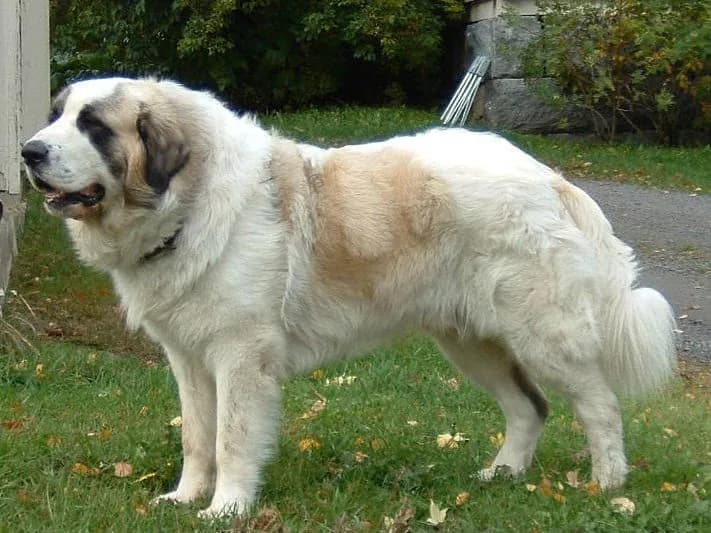
Mastín del Pirineo
Livestock guardian of the Aragonese Pyrenees. Imposing, serene, autonomous. Works on its own initiative: it decides when to intervene. NOT suited to a flat.
Foto: Wikipedia Commons · CC BY-SA
Mizuu editorial teamupdated on October 14, 2026Not yet reviewed by a vet. Are you a vet? Review itReport an error
Ideal for
- Large estates with livestock
- Homes with a very large garden in cool climates
Reconsider if
- ×Flats
- ×Homes without space
- ×Warm climates without air conditioning
Let me know when there are dogs for adoption
We only write when a verified shelter posts one. One email a day at most.
Is the Mastín del Pirineo a good match for you?
Indicative rating from 1 (low) to 5 (high).
Estimated cost of ownership
110-180 €/month
Giant-breed food 55-90 €; health and third-party liability insurance 25-45 €; antiparasitics (dose by weight) 15-25 €; pro-rated vaccinations and check-ups 20-30 €. Its large size makes drug doses and anaesthetics more expensive.
History and origin
Native Aragonese breed, traditional guardian of transhumant flocks in the Pyrenees. Equipped with a spiked carlanca collar against wolves.
Recognised by the FCI within Group 2 (mastiffs). In Spain it is found on farms and agricultural holdings as a guardian, as well as in homes with space. Adults up to 10-12 years: the short average lifespan is a consequence of its extreme size and predisposes it to specific care needs.
Temperament and character
Serene, brave, autonomous. Bonded to the flock/family. Decides on its own when to intervene. Tolerates other animals of the flock well. Requires daily mental stimulation — scent games, food-stuffed Kongs and short tricks channel its energy better than physical exercise alone. Responds best to positive reinforcement: physical punishment causes fear, anxiety and reactivity — coercive methods are NOT recommended by veterinary behaviourists. Sensitive to the family's mood: it detects tension and picks up on it.
Living together
Children: excellent with its own family. Other dogs: tolerates. Livestock: protects instinctively.
Life stages of the Mastín del Pirineo
Each stage has its own care priorities. Life expectancy: 10-12 años.
Puppy
0-1 year
Gradual growth on a giant-breed diet; moderate exercise to protect bone and joint development.
Young
1-2 years
Hip and elbow radiographs; split meals and rest after eating due to the risk of gastric torsion.
Adult
2-6 years
Weight control; care of pads and folds; mobility monitoring as a working dog.
Senior
6+ years
Management of osteoarthritis, joint support and monitoring for bone tumours; geriatric check-ups.
Care
Ample space. Moderate, calm exercise. Weekly brushing, intensive during the moult. Padded bed given its size.
Feeding: quality food suited to life stage (puppy/adult/senior) and size. Weight control: obesity is the leading preventable cause of joint problems.
Vet: preventive blood work from age 4-5 and check-ups every 6 months from 6 (giant breeds age sooner).
Care in detail
Nutrition
Giant-breed food with controlled calcium during the long growth period. Split the ration into 2-3 meals with rest after eating and avoid excess weight, which is very damaging to its hips.
Grooming
Dense double coat: weekly brushing that increases to several times a week during the spring and autumn moults. Check the ears and perianal area because of the length of the coat.
Training
It is an autonomous guardian that decides for itself. It needs early socialisation and clear boundaries with positive reinforcement, accepting that it will not obey like a competitive obedience dog.
Exercise
Low to moderate: calm walks and access to ample space. It is an estate dog, not one for long walks; never exercise it in the heat.
Breed-specific health
Dysplasia. Bloat. Entropion. Heart disease. Life expectancy 10-12 years. Life expectancy 10-12 years with appropriate care. If you go to a breeder, ask for the parents' health tests relevant to the breed. If adopting, ask the rescue for a vet report on the current condition.
Health predispositions for this breed
Conditions this breed is more predisposed to. Knowing about them helps with prevention and early detection. A predisposition does not mean the animal will develop them.
Common diseases in dogs
Learn the symptoms, prevention and when to see the vet. Indicative information that does not replace a veterinary consultation.
Screening and prevention for the Mastín del Pirineo
Recommended tests and screenings
- Hip and elbow dysplasia radiography
- Ophthalmological examination (entropion)
- Echocardiography (heart disease)
- Complete blood count and biochemistry with thyroid function
- Orthopaedic assessment during growth
Prevention
Very controlled growth on giant-breed food so as not to strain the joints; split meals with subsequent rest to guard against bloat; adjusted weight and, if working on an estate, periodic checking of the pads and skin beneath the dense coat.
Check-up schedule
Annual check-up up to 4-5 years and every 6 months from 7, with joint monitoring.
Warning signs
- !Swollen abdomen with unproductive retching (gastric torsion, emergency)
- !Lameness or difficulty getting up
- !Watery eyes, rubbing or an inward-turned eyelid (entropion)
- !Apathy or weight gain (possible hypothyroidism)
- !Exercise intolerance or coughing
Mastín del Pirineo gallery

Frequently asked questions about the Mastín del Pirineo
How long does a Mastín del Pirineo live?
▾
How much does a Mastín del Pirineo weigh?
▾
Where does the Mastín del Pirineo breed come from?
▾
How much exercise does a Mastín del Pirineo need?
▾
Is the Mastín del Pirineo good with children?
▾
Who is the Mastín del Pirineo NOT recommended for?
▾
What health problems does the Mastín del Pirineo have?
▾
Can it live in a flat or in the city?
▾
Does it get along with other animals?
▾
Does it bark a lot?
▾
Is it good with children?
▾
How long does it live?
▾
Related and similar breeds
Learn more about dogs
Practical veterinary guides to support your Mastín del Pirineo.
Sources and references
Content compiled from official breed standards and leading veterinary sources.
Do you have a Mastín del Pirineo?
Add them to Mizuu and we will remind you what is due for their breed and age: Hip and elbow dysplasia radiography, check-ups and vaccines.
Add my Mastín del PirineoFree. Create your account in a minute and come back here.
Want to adopt a mastín del pirineo?
There are mastín del pirineos in Spanish rescue shelters looking for a family. Filter by breed in the catalogue.

