


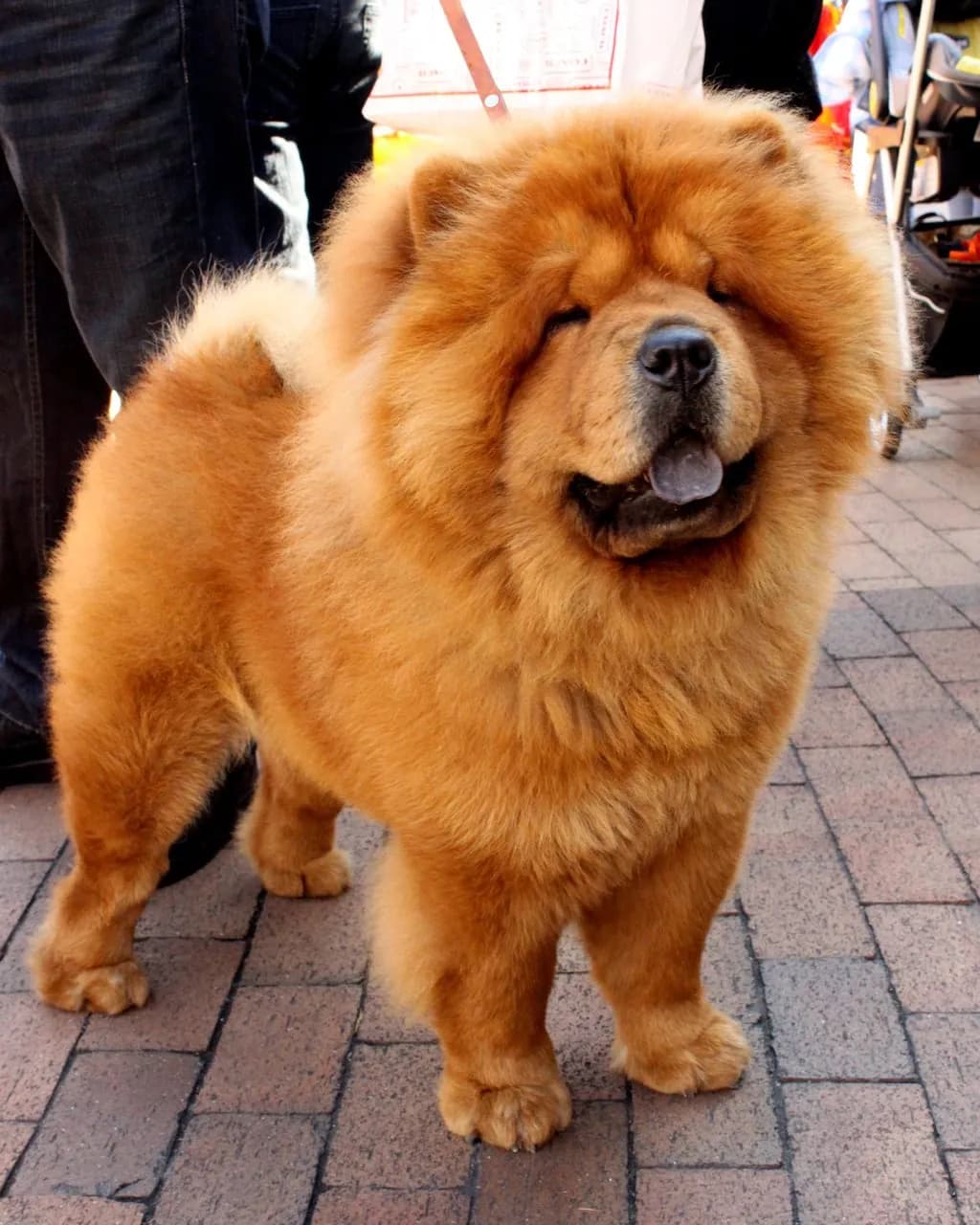
Chow Chow
A lion-cub appearance with a mane. Blue-black tongue. Independent, almost cat-like character. Reserved, loyal to one family. Needs massive socialisation or it becomes reactive.
Foto: Wikipedia Commons · CC BY-SA
Mizuu editorial teamupdated on October 14, 2026Not yet reviewed by a vet. Are you a vet? Review itReport an error
Ideal for
- Experienced homes
- Cool climates
- Anyone who values an independent dog
Reconsider if
- ×Beginners
- ×Warm climates
- ×Families with many visitors/young children
Let me know when there are dogs for adoption
We only write when a verified shelter posts one. One email a day at most.
Is the Chow Chow a good match for you?
Indicative rating from 1 (low) to 5 (high).
Estimated cost of ownership
90-150 €/month
Quality food for a large dog (30-45 €), pro-rated vaccinations and the annual check-up with eye and thyroid screening (20-30 €), parasite treatments by weight (15-20 €), recommended health insurance (15-25 €) and professional grooming/brushing for its dense coat (20-35 €/month pro-rated, higher during the moulting season).
History and origin
An ancient Chinese breed, multi-purpose: hunting, herding, guarding, food. It reached the West via 19th-century trade routes. Queen Victoria popularised it.
Recognised by the FCI within Group 5 (spitz and primitive types). A dense double coat adapted to cold climates: in warm climates it requires precautions (shade, water, avoiding midday walks in summer).
Temperament and character
Reserved, dignified, loyal. Attached to one family. Possible territoriality. Intelligent and stubborn. It hardly plays. Needs daily mental stimulation — scent games, food kongs and short tricks channel its energy better than physical exercise alone. Responds best to positive reinforcement: physical punishment generates fear, anxiety and reactivity — coercive methods are NOT recommended by veterinary behaviourists. Sensitive to its family's mood: it detects tension and picks up on it.
Living together
Children: with its own family only. Other dogs: dominant with the same sex. Cats: variable.
Life stages of the Chow Chow
Each stage has its own care priorities. Life expectancy: 9-15 años.
Puppy
0-15 months
Intensive early socialisation and eye screening (entropion).
Junior
15 months-2 years
Patient training, care of the dense coat and heat control.
Adult
2-7 years
Monitoring of dysplasias, thyroid function and eye health.
Senior
7+ years
Follow-up of joints, ophthalmology (glaucoma) and metabolism.
Care
Moderate exercise (45 min/day). Grooming 3 times/week, daily during moulting. Copes very badly with heat. Firm, respectful training. Early socialisation CRITICAL.
Feeding: quality food appropriate to its life stage (puppy/adult/senior) and size. Weight control: obesity is the main preventable cause of joint problems.
Vet: annual check-up with preventive blood work from age 5; twice a year from 7 (large breeds age sooner).
Care in detail
Nutrition
Quality food suited to the life stage with strict portion control: its tendency to be overweight promotes diabetes and overloads dysplastic joints. Water always available, especially in the heat.
Grooming
A very dense double coat that requires brushing 3 times a week and daily during the intense moults, plus periodic baths. The facial folds and eye area must be checked and cleaned owing to its tendency to entropion.
Training
Independent, dignified and stubborn, not suited to beginners. Early socialisation is CRITICAL to prevent it becoming reactive or territorial. Firm but always respectful, positive training; it hardly plays, so it must be motivated in another way.
Exercise
Moderate exercise, 30-45 min daily on calm walks, always avoiding the hot hours. It is a low-energy breed that tolerates high temperatures very poorly.
Breed-specific health
Dysplasia. Entropion. Glaucoma. Diabetes. Hypothyroidism. Gastric cancer. Life expectancy 9-15 years. If you go to a breeder, ask for the parents' health tests relevant to the breed. When adopting, ask the rescue for a vet report on the current state of health.
Health predispositions for this breed
Conditions this breed is more predisposed to. Knowing about them helps with prevention and early detection. A predisposition does not mean the animal will develop them.
Common diseases in dogs
Learn the symptoms, prevention and when to see the vet. Indicative information that does not replace a veterinary consultation.
Screening and prevention for the Chow Chow
Recommended tests and screenings
- Ophthalmological evaluation (entropion and glaucoma, very characteristic of the breed)
- Radiography for hip and elbow dysplasia
- Patellar luxation examination
- Thyroid profile (hypothyroidism)
- Blood glucose check (diabetes) at check-ups
Prevention
Eye monitoring due to its high predisposition to entropion (an inward-rolling eyelid that rubs the eye) and glaucoma. Frequent brushing of its dense double coat, strict heat management (cool climates, shade, water, avoiding midday in summer) and weight control to prevent diabetes and protect the joints.
Check-up schedule
Annual veterinary check-up with ophthalmological and thyroid screening; preventive bloodwork from 5-7 years of age and two visits a year from 8.
Warning signs
- !A watery, squinting or irritated eye, rubbing the face (entropion)
- !A red, painful eye (glaucoma, veterinary emergency)
- !Lethargy, weight gain, dry coat or cold intolerance (hypothyroidism)
- !Excessive thirst and urination, weight loss (diabetes)
- !Heavy panting or collapse in the heat (heatstroke, high risk in the breed)
Chow Chow gallery

Frequently asked questions about the Chow Chow
How long does a Chow Chow live?
▾
How much does a Chow Chow weigh?
▾
Where does the Chow Chow breed come from?
▾
How much exercise does a Chow Chow need?
▾
Is the Chow Chow good with children?
▾
Who is the Chow Chow NOT recommended for?
▾
What health problems does the Chow Chow have?
▾
Why does the Chow Chow have a blue tongue?
▾
Is it a good breed for beginners or families with young children?
▾
Why does it tolerate heat so poorly?
▾
What is entropion and why is it so common in the breed?
▾
How much does it shed and what care does it need?
▾
Related and similar breeds
Learn more about dogs
Practical veterinary guides to support your Chow Chow.
Sources and references
Content compiled from official breed standards and leading veterinary sources.
Do you have a Chow Chow?
Add them to Mizuu and we will remind you what is due for their breed and age: Ophthalmological evaluation (entropion and glaucoma, very characteristic of the breed), check-ups and vaccines.
Add my Chow ChowFree. Create your account in a minute and come back here.
Want to adopt a chow chow?
There are chow chows in Spanish rescue shelters looking for a family. Filter by breed in the catalogue.

