


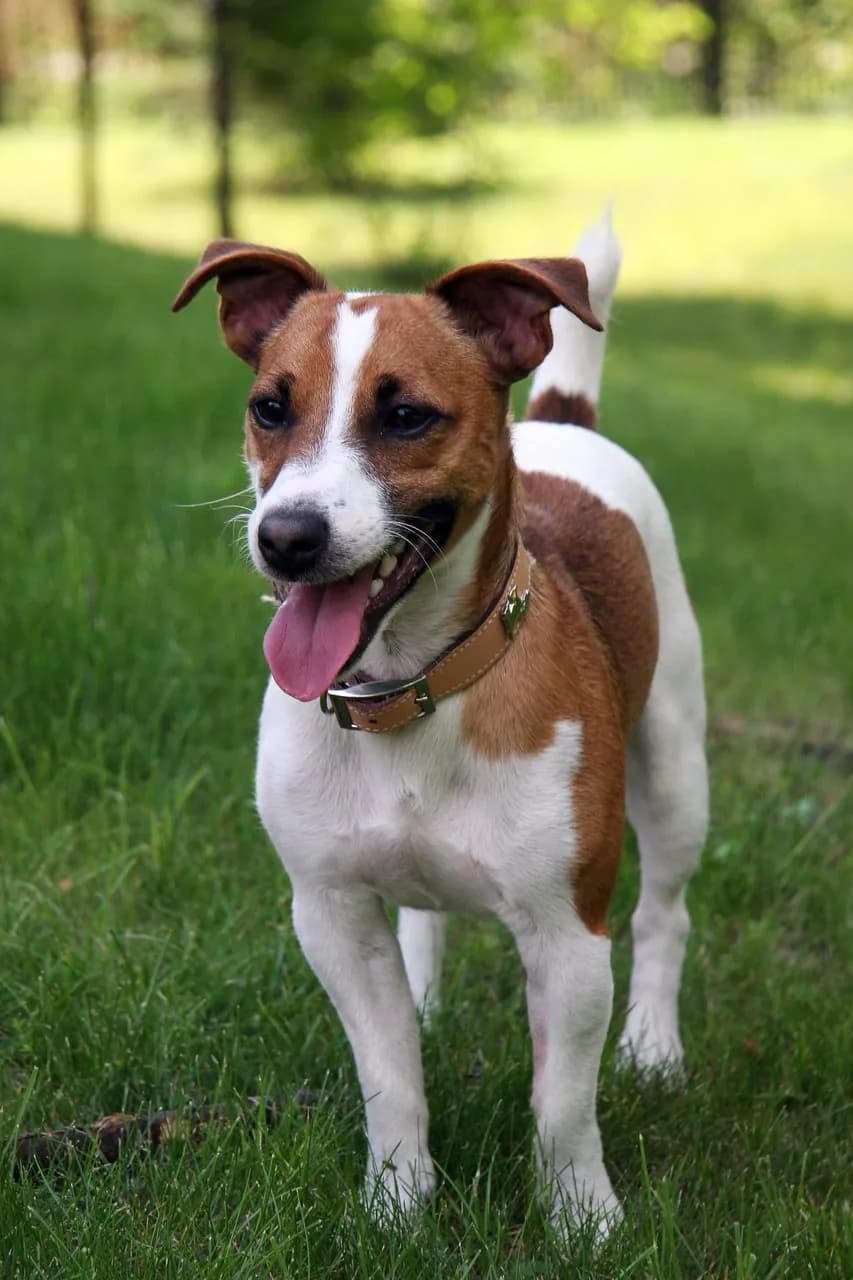
Jack Russell Terrier
Small but ENORMOUS in energy. Intelligent, brave, a born hunter. NOT an easy dog despite its size. "Small dog syndrome" if not trained. Lives a long time.
Foto: Wikipedia Commons · CC BY-SA
Mizuu editorial teamupdated on October 14, 2026Not yet reviewed by a vet. Are you a vet? Review itReport an error
Ideal for
- Very active families
- Those who want a sporty dog in a small format
- Homes without small animals
Reconsider if
- ×Flats without exercise
- ×Homes with cats/rabbits
- ×Those who want a "calm" dog
Let me know when there are dogs for adoption
We only write when a verified shelter posts one. One email a day at most.
Is the Jack Russell Terrier a good match for you?
Indicative rating from 1 (low) to 5 (high).
Estimated cost of ownership
40-70 €/month
Food for a small dog (15-25 €), pro-rated vaccinations and annual check-up (12-18 €), internal and external parasite control (8-14 €), optional insurance (8-15 €). Low grooming, but keep a margin for ophthalmological and kneecap check-ups.
History and origin
Created by the Reverend John Russell in the 19th century to hunt foxes: small enough to enter burrows, brave enough to face down the fox.
Recognised by the FCI in Group 3 (Terriers). Its small size makes flat living easier, but "small" is not a synonym for "needs no training": small dog syndrome (excessive barking, fear, reactivity) is common when the same routine as for a large dog is not applied.
Temperament and character
Energetic, alert, bold. Very high prey drive. Intelligent and manipulative. Needs structure and exercise. A barker. Needs daily mental stimulation — scent games, food-stuffed Kongs and short trick sessions channel the energy better than physical exercise alone. Responds best to positive reinforcement: physical punishment creates fear, anxiety and reactivity — coercive methods are NOT recommended by veterinary behaviourists. Sensitive to the mood of its family: it picks up on tension and catches it.
Living together
Children: older and energetic ones. Other dogs: variable, dominant. Cats/rodents: high risk.
Life stages of the Jack Russell Terrier
Each stage has its own care priorities. Life expectancy: 13-16 años.
Puppy
0-9 months
Broad socialisation and firm training (terrier character); channelling energy and appropriate chewing; eye examination.
Junior
9 months-1.5 years
Plenty of physical and mental exercise to avoid destructive behaviours; kneecap monitoring.
Adult
1.5-9 years
Intense daily exercise, eye examination (cataracts, retinal atrophy) and kneecap monitoring; a very long-lived and robust breed.
Senior
9+ years
Maintaining adapted activity, eye and joint monitoring and weight control.
Care
Exercise 1-2 h/day + mental games. Firm and consistent training. Weekly brushing (rough/smooth/broken coat depending on the variety). DO NOT leave loose with small animals.
Feeding: quality food suited to the life stage (puppy/adult/senior) and size. Weight control: obesity is the leading preventable cause of joint problems.
Vet: annual check-up with preventive blood work from age 5; twice a year from 8.
Care in detail
Nutrition
Quality food for an active small dog, with a measured portion despite its size: they burn a lot of energy, but obesity is still a risk if treats are overused. Split into 2 meals.
Grooming
A low-maintenance coat (smooth, rough or broken depending on the variety). Weekly brushing; the rough-coated variety may need occasional stripping. Sheds moderately and steadily.
Training
Intelligent, bold and a little manipulative: it needs structure, clear boundaries and consistency. It responds very well to positive reinforcement and dog sports (agility, obedience), but without firm training small dog syndrome appears.
Exercise
Very high energy in a small format: 1-2 hours of physical exercise a day plus mental games. It loves challenges, tracking and search toys. Without enough outlet it becomes destructive and a barker.
Breed-specific health
Patellar luxation. Congenital deafness. Retinal atrophy. Cushing's. Lives 13-16 years (long-lived). Life expectancy 13-16 years with proper care. If you go to a breeder, ask for the parents' health tests relevant to the breed. When adopting, ask the shelter for a vet report on the current condition.
Health predispositions for this breed
Conditions this breed is more predisposed to. Knowing about them helps with prevention and early detection. A predisposition does not mean the animal will develop them.
Common diseases in dogs
Learn the symptoms, prevention and when to see the vet. Indicative information that does not replace a veterinary consultation.
Screening and prevention for the Jack Russell Terrier
Recommended tests and screenings
- Orthopaedic evaluation for patellar (kneecap) luxation
- BAER hearing test (congenital deafness, associated with the white coat)
- Annual ophthalmological examination (primary lens luxation, cataracts, PRA)
- PLL genetic test (primary lens luxation)
- Genetic test for spinocerebellar ataxia / myelopathy (SCA)
- Endocrine assessment where Cushing's is suspected in the adult/senior dog
Prevention
Plenty of daily physical and mental exercise to channel its energy and prevent problem behaviours, firm and consistent training from puppyhood to prevent small dog syndrome, and careful management of coexistence with small animals due to its strong prey drive.
Check-up schedule
Annual check-up with assessment of the kneecaps and eyes; preventive blood work from age 5-6 and six-monthly reviews in the senior dog. It is a long-lived breed (13-16 years), so attention to ageing is prolonged.
Warning signs
- !Intermittent lameness or hopping on three legs (patellar luxation)
- !A painful, red eye or a change in the appearance of the lens (lens luxation, an emergency)
- !Not responding to sounds (deafness, frequent in very white dogs)
- !Increased thirst, urination and a distended abdomen (Cushing's)
- !Excessive barking, reactivity or fear (small dog syndrome from lack of training)
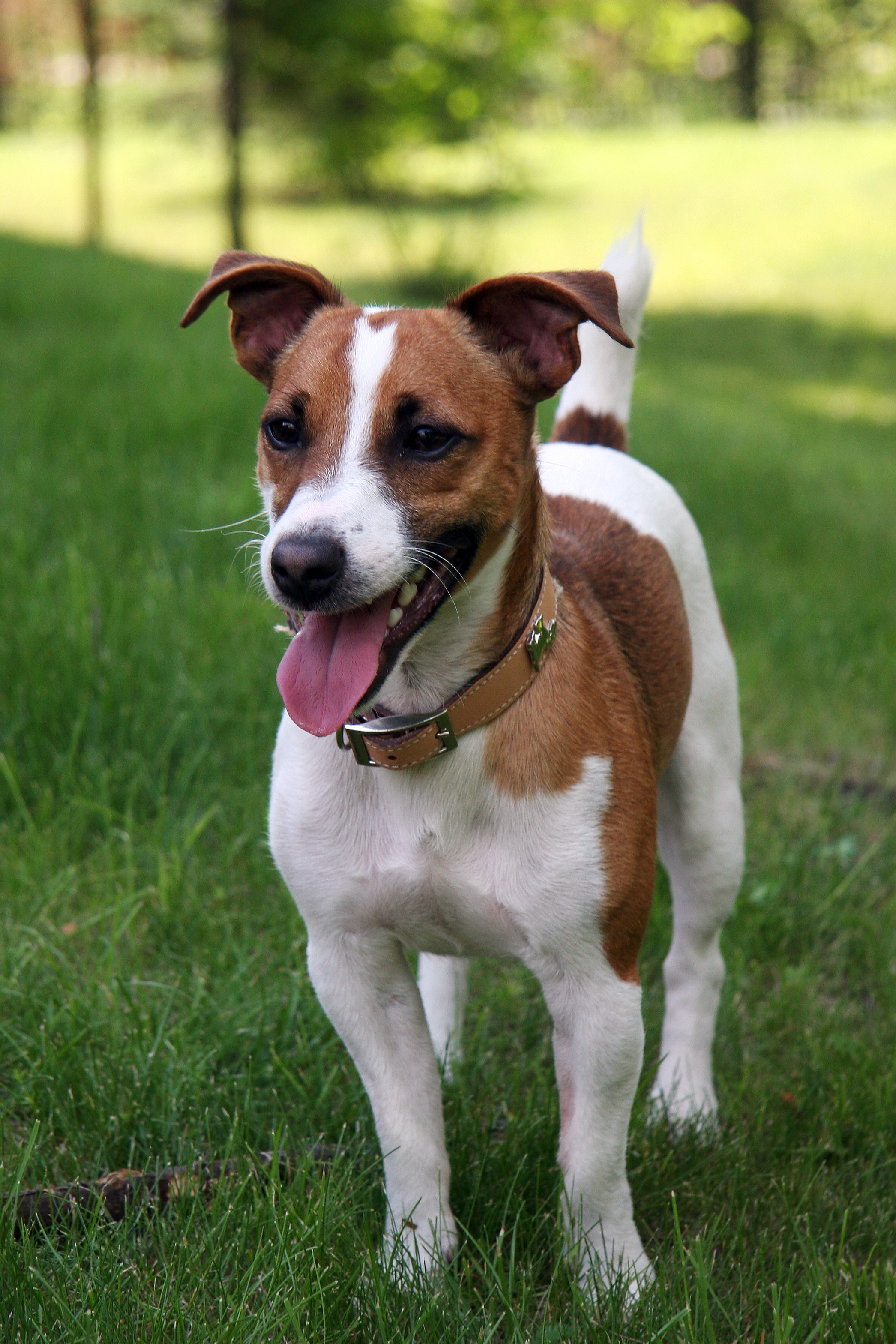
Jack Russell Terrier gallery
Frequently asked questions about the Jack Russell Terrier
How long does a Jack Russell Terrier live?
▾
How much does a Jack Russell Terrier weigh?
▾
Where does the Jack Russell Terrier breed come from?
▾
How much exercise does a Jack Russell Terrier need?
▾
Is the Jack Russell Terrier good with children?
▾
Who is the Jack Russell Terrier NOT recommended for?
▾
What health problems does the Jack Russell Terrier have?
▾
Is it an easy dog because it is small?
▾
Can it live with cats, rabbits or rodents?
▾
What is small dog syndrome?
▾
How long does a Jack Russell live?
▾
Is it a good breed for families with young children?
▾
Related and similar breeds
Learn more about dogs
Practical veterinary guides to support your Jack Russell Terrier.
Sources and references
Content compiled from official breed standards and leading veterinary sources.
Do you have a Jack Russell Terrier?
Add them to Mizuu and we will remind you what is due for their breed and age: Orthopaedic evaluation for patellar (kneecap) luxation, check-ups and vaccines.
Add my Jack Russell TerrierFree. Create your account in a minute and come back here.
Want to adopt a jack russell terrier?
There are jack russell terriers in Spanish rescue shelters looking for a family. Filter by breed in the catalogue.

